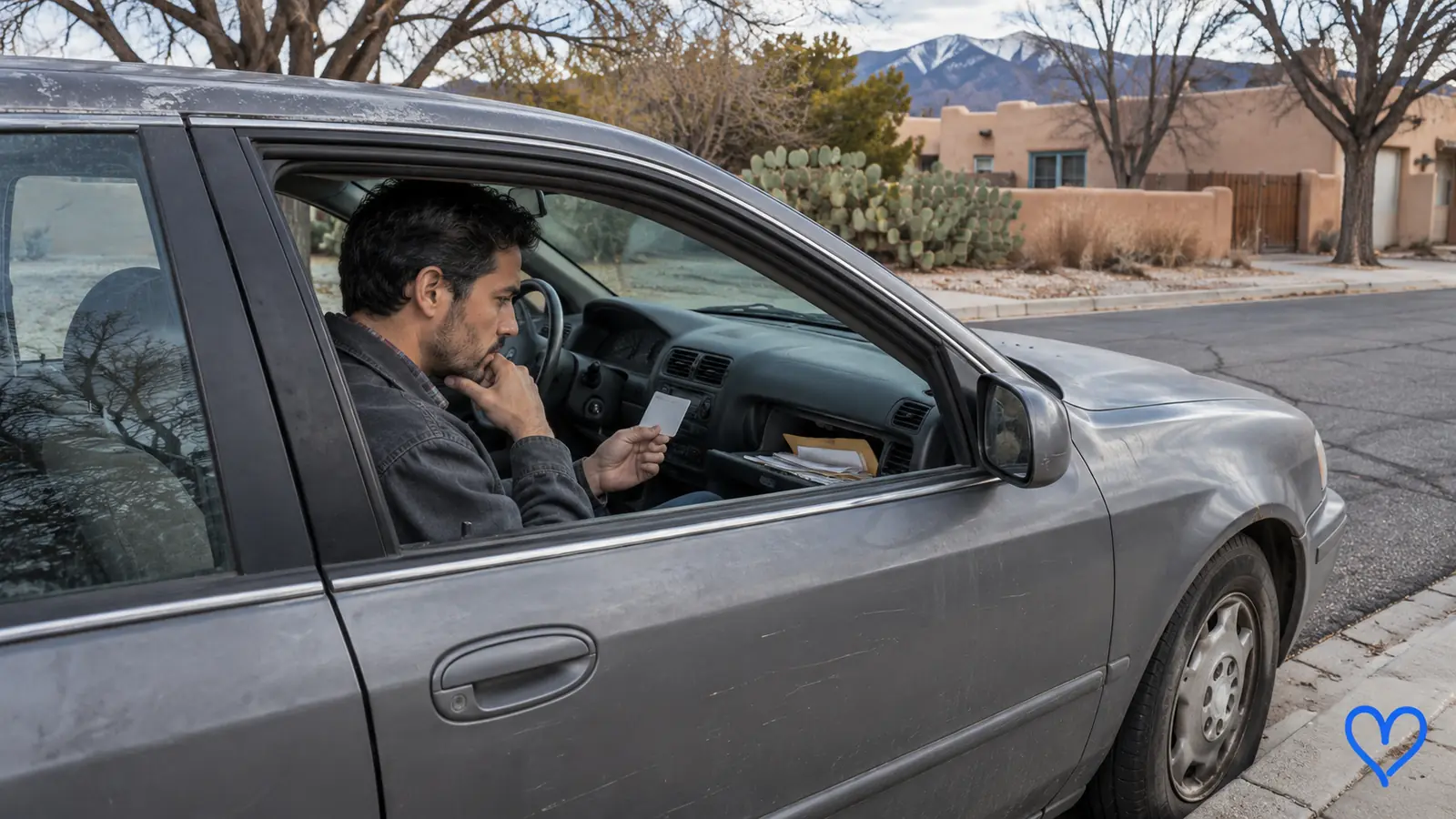
Not everyone who owns a vehicle is the person who drives it. Someone might own a car that a family member operates, hold a vehicle while learning to drive, or need to insure a vehicle that is being used by an appropriately licensed person. That leads to an understandable question: Can I obtain auto insurance in New Mexico if I do not currently have a driver's license?
It may be possible to discuss an insurance application for a vehicle you own without holding a current driver's license, but eligibility is carrier-specific. Not every insurer accepts the same identification, ownership, or driver arrangements. Buying a policy does not grant anyone permission to drive without a valid license. The person operating the car must independently satisfy applicable driving requirements.
Separate three different questions
First, who legally owns the vehicle? A title or purchase agreement can establish an ownership interest, but ownership is not the same as being authorized to drive. Second, who will actually operate the car? That is critical to insurance underwriting and accurate policy declarations. Third, who can be an applicant or named insured under a given company's rules? Insurers may have different identification, license, and eligibility requirements.
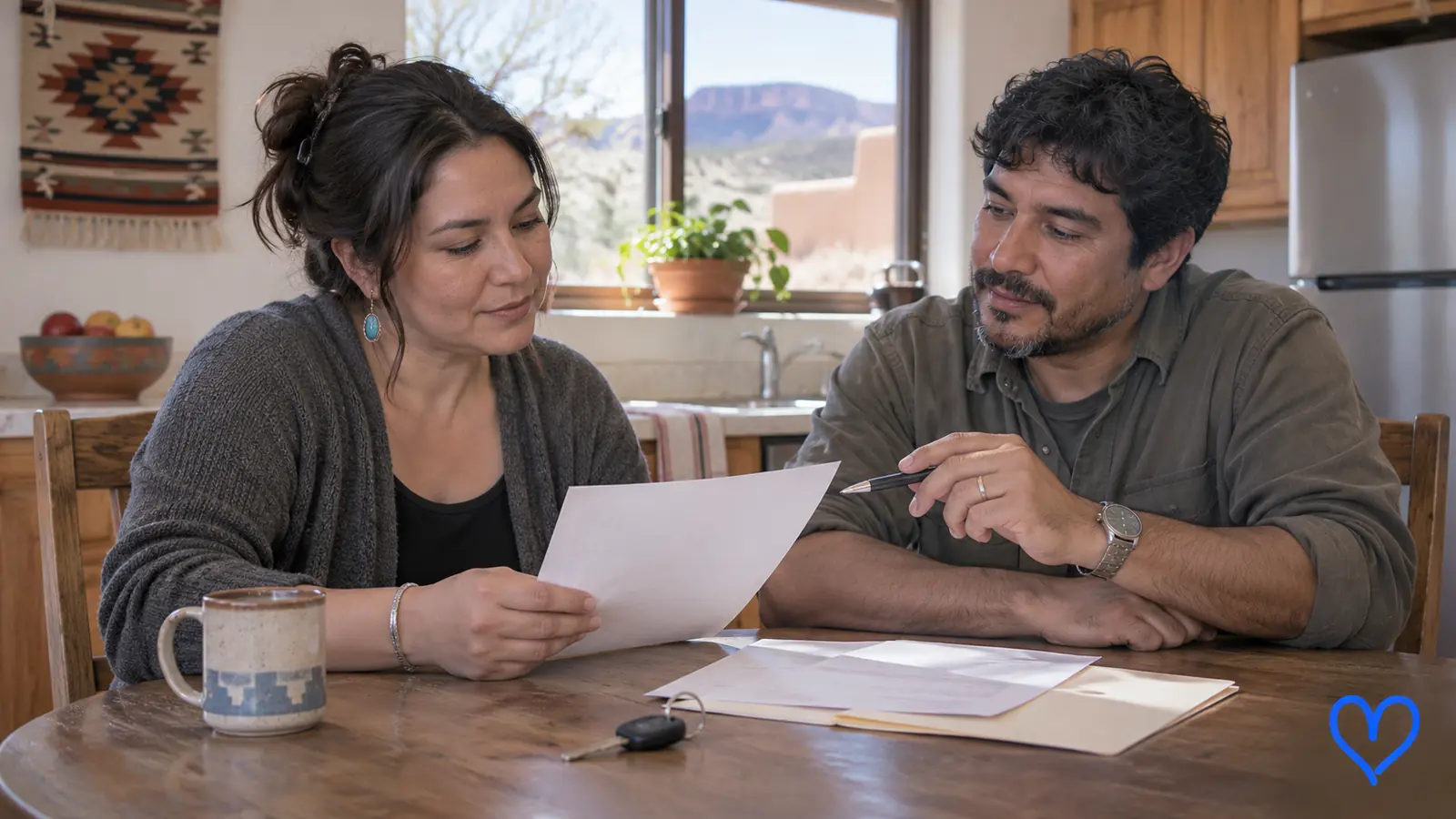
It is possible for these roles to involve different people. For example, a person may own a vehicle while an adult household member is its principal driver. In that situation, an agent needs to learn about both people and the insurer's rules before describing any potential policy arrangement.
| Role or question | What it tells the insurer | What it does not establish |
|---|---|---|
| Vehicle owner | Who has the ownership interest in the car | That the owner is legally allowed to drive |
| Applicant / named insured | Who requests or holds the policy under the insurer's rules | That every vehicle operator is automatically included |
| Principal driver | Who actually drives the car most often | That an unlisted or excluded driver may drive freely |
| Validly licensed operator | Whether a person has the appropriate driving authorization | That every possible loss is covered |
A driver with an expired or suspended license, a new applicant without a license, and an owner who never drives are not necessarily the same situation. State licensing rules and insurer underwriting must be considered separately in each case.
A policy is not a substitute for a driver's license
An important distinction can get lost during a quote conversation: proving that a vehicle is insured and being legally authorized to operate it are separate matters. New Mexico has licensing requirements administered through its MVD. Auto liability insurance does not cure a suspended, expired, or nonexistent driving credential, and it does not change vehicle-registration requirements.
If the owner cannot legally drive, they should not drive merely because an insurance card has been issued. A licensed person using the vehicle must also be appropriately disclosed to the insurer. Ask the MVD about licensing eligibility and requirements rather than relying on an insurance quote as evidence that driving is permitted.
What information might the insurer ask for?
Depending on the company, the application may request identity information, vehicle title or ownership details, the car's VIN, its location, its normal use, and information about everyone who drives or regularly has access to it. The company may ask for driver's license numbers or other acceptable identification, where its rules allow alternatives.
Do not guess at a license number or list someone as the principal driver unless that reflects actual use. Accuracy matters because underwriting decisions depend on the information provided, and misrepresentations can affect policy issuance, continuation, or claims handling.
What about an excluded driver?
Some insurers and policy forms contain named-driver restrictions or exclusions, where permitted. Their consequences can be significant. If a person is excluded, a claim involving that person may be affected according to the policy and governing law. Do not assume an exclusion is available, lawful, or suitable in your situation, and never treat it as permission for that person to drive.
If a representative suggests a policy structure involving a named driver, review exactly who is insured, who may operate the vehicle, and which exclusions apply. Get the applicable terms in writing and ask questions before accepting anything.
A family example
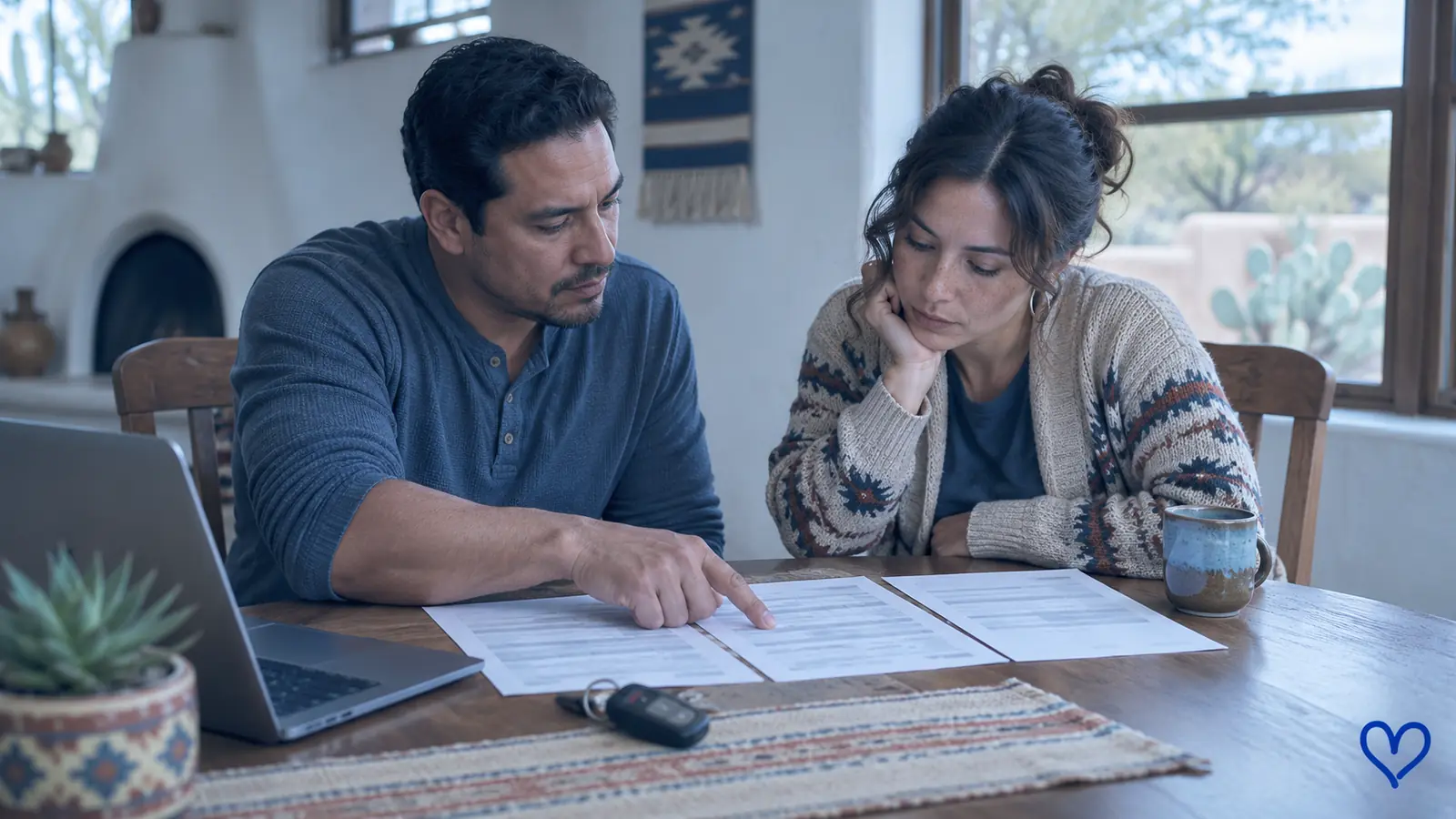
Suppose a New Mexico resident purchases a vehicle but does not hold a current license. Their spouse, who has a valid license, will be the principal driver. An insurer might consider the ownership structure, the driver's history, the residence, and other underwriting details. Another insurer might have different requirements. No agency can know whether a policy is available until the facts are reviewed under an actual company's guidelines.
Now change the scenario: the owner plans to drive the car without a license. That raises a separate legal problem. The existence of a willing insurer—if one can be found—would not make the driving lawful. The vehicle owner should discuss the lawful operating arrangement before seeking coverage.
How registration and insurance verification fit together
The New Mexico MVD ordinarily requires evidence of the minimum liability insurance when registering a vehicle and checks its Insurance Identification Database (IIDB). Insurance and registration records should use the correct VIN and consistent vehicle information. An insurance application cannot resolve a title discrepancy or automatically clear an MVD hold.
If you have received an insurance noncompliance notice, communicate with the insurer and follow the MVD's instructions. Do not ignore the notice just because someone told you the car was insured.
Questions to bring to an insurance conversation
- Do you consider applicants who own a vehicle but do not hold a current driver's license?
- What documents are acceptable for identity and ownership verification?
- Who must be listed as the principal driver, and how are household drivers handled?
- Are there named-driver restrictions or exclusions, and what do they mean?
- If coverage can be issued, how is its effective date confirmed and reported?
These questions are more productive than assuming every company has the same answer. A careful application may take more discussion, but it helps prevent misunderstandings about who is allowed to drive and what the policy might respond to.
Own a vehicle but do not hold a current driver's license? Contact Safe House Insurance to discuss how ownership, identification, and the actual licensed driver could be presented in an application. Any quote or policy is subject to the insurer's requirements and does not authorize unlicensed driving.
Sources

Safe House Insurance is an independent insurance agency in El Paso, Texas, licensed in Texas and New Mexico.
Have Questions About Your Insurance Options?
Our team can help you explore available coverage options based on your needs.