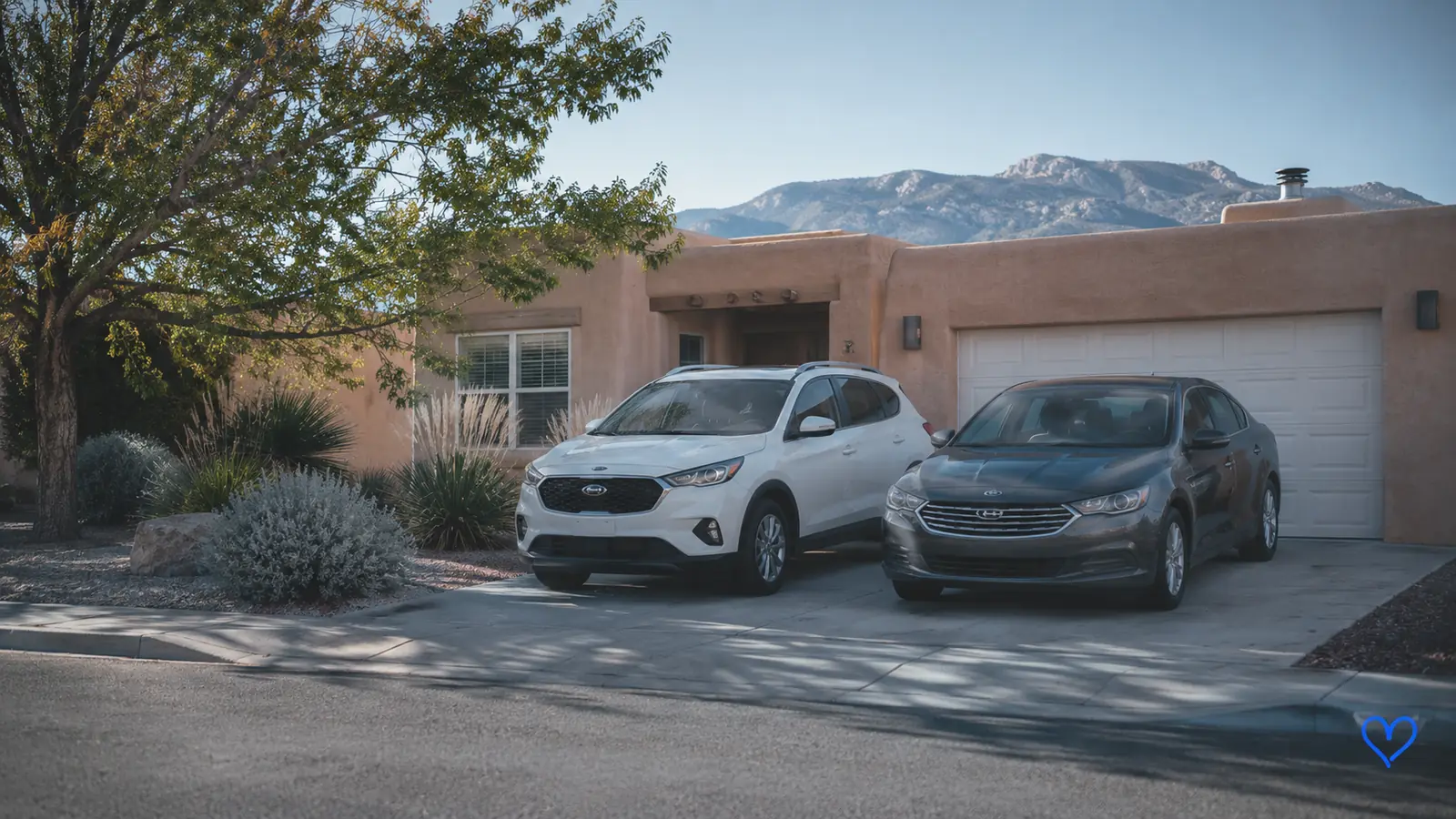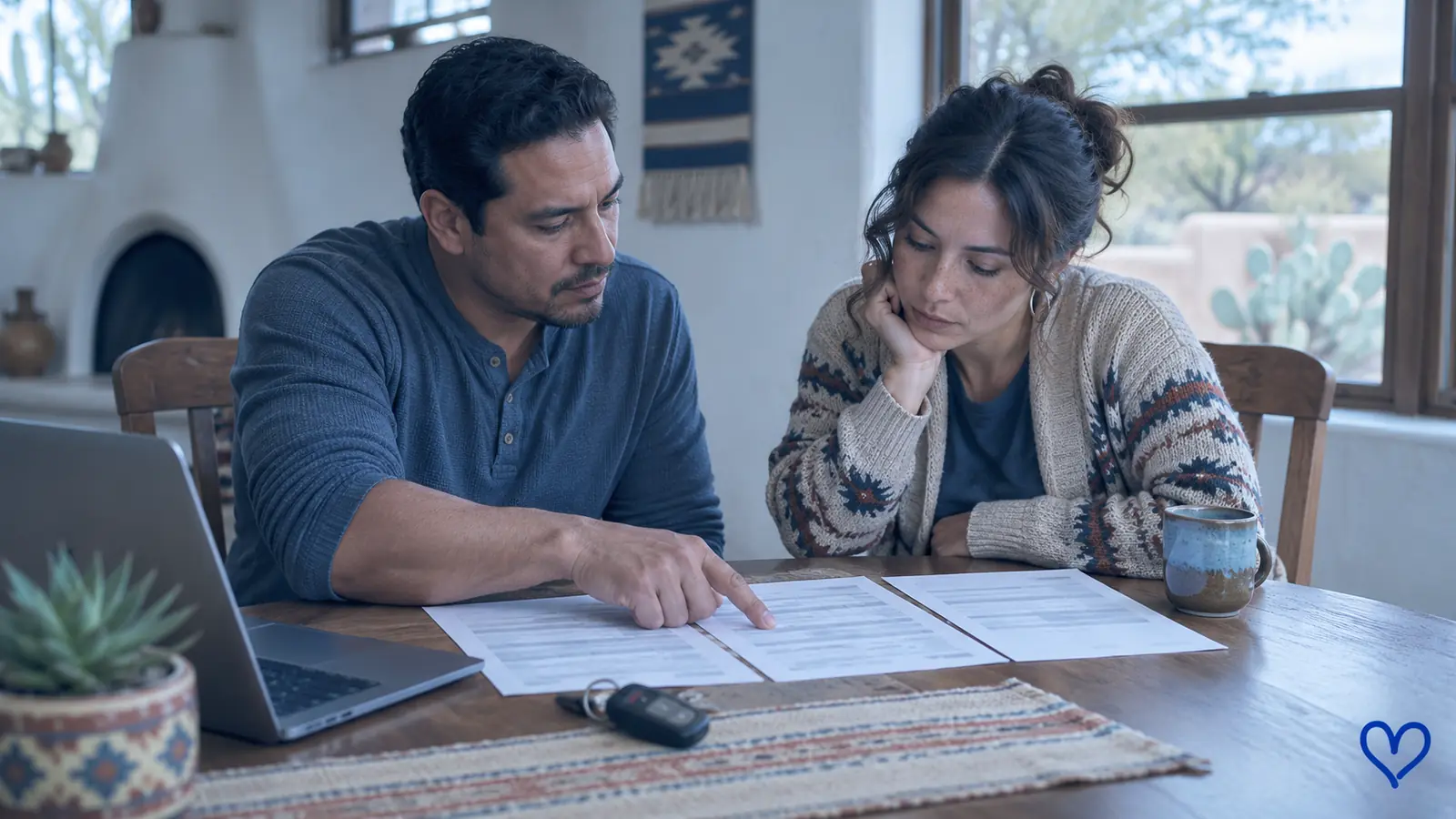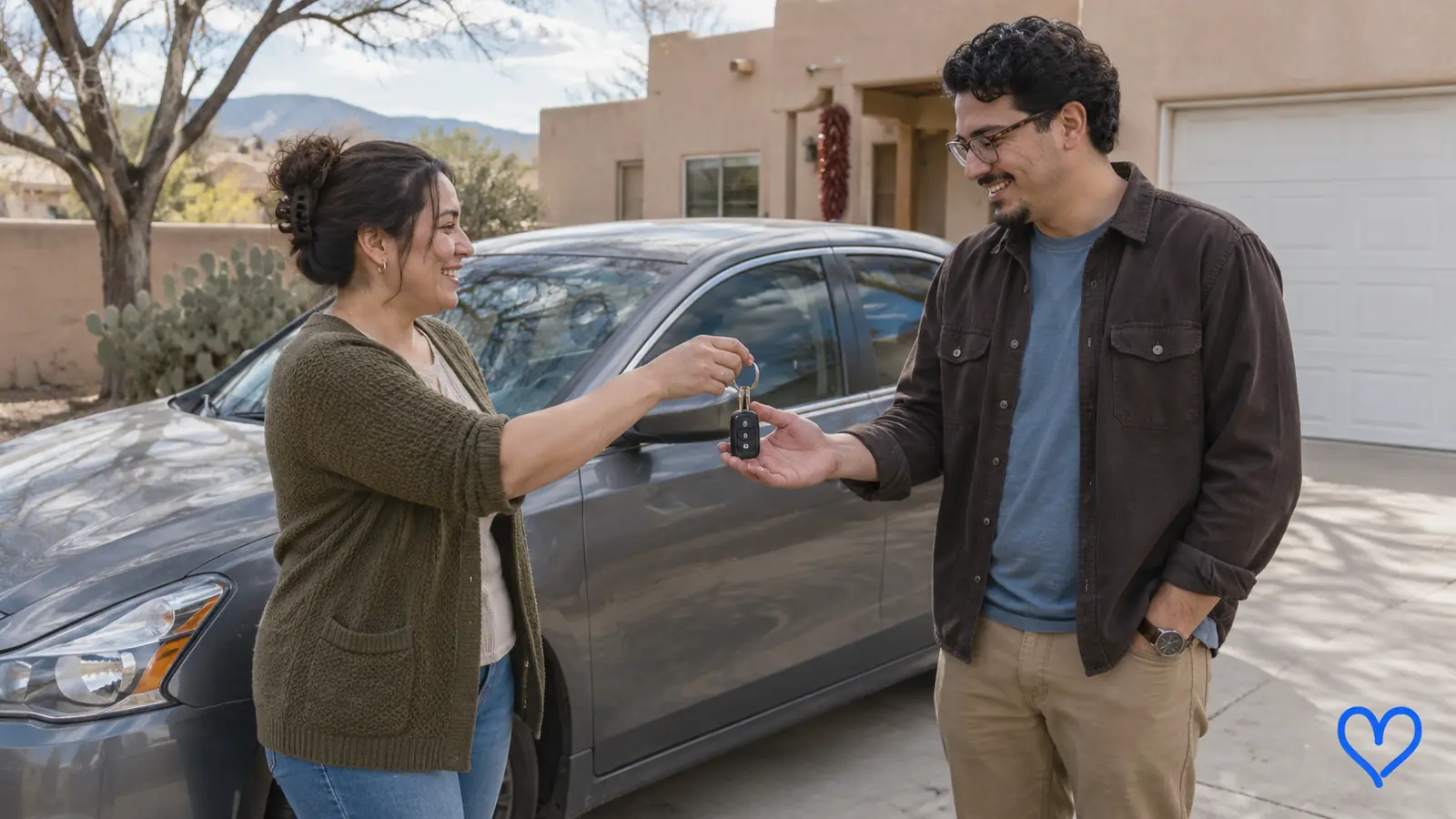
Your neighbor asks to borrow your car for an errand. A relative wants to drive to the store. A friend visiting Las Cruces offers to help with a long trip. In each case, it is natural to wonder: If something happens while another person is driving my car, which insurance applies?
There is a popular phrase that “insurance follows the car.” That may describe the way some personal auto policies respond in certain situations, but it is too broad to use as a guarantee. Whether another person is covered can depend on permission, how often they use the vehicle, their license status, policy definitions, named-driver restrictions, exclusions, and the purpose of the trip.
What is permissive use?
In insurance conversations, permissive use usually means someone operating a vehicle with the owner's permission. Some personal auto policies provide certain protection for eligible occasional drivers who have permission. But definitions, coverage limits, exclusions, and conditions vary. A policy may treat a regular household driver differently from an occasional guest.
For that reason, asking whether someone has permission is only the beginning. Also ask whether the person is an authorized driver under the policy and whether any named-driver or household-driver rules apply.
Occasional borrowing versus regular access
Imagine a friend who drives your car once to pick up groceries. Now imagine a roommate who takes the car to work three times a week. Those arrangements may not be treated alike. Insurers commonly ask about people in the household and anyone with regular access because regular use is relevant to how they assess the policy.
If someone drives frequently, tell your insurer. Do not assume you can avoid listing a regular operator by describing each trip as a one-time favor. Accurate driver information can affect underwriting, premium, and what happens after a claim.
| Borrowing situation | What changes about the insurance question? |
|---|---|
| Visiting relative makes a single personal errand | Ask whether the policy allows that eligible occasional driver and whether exclusions apply. |
| Roommate takes the car to work several days a week | Regular access and household-driver disclosure become especially important. |
| Person named in a driver exclusion asks for the keys | Permission alone cannot be assumed to override the exclusion. |
| Friend plans paid delivery or ride-hailing | The vehicle's commercial use and any personal-auto restrictions must be reviewed before use. |
These are questions to ask, not a chart of coverage approvals. Policies and facts differ.
Why driver exclusions deserve special attention
Some policies may include specific driver exclusions or restrictions, where permitted. If the person borrowing your car is excluded, the consequences of allowing them to drive can be serious. Even permission from the owner may not override the actual exclusion. Exclusion language is a matter of the policy and applicable law, not a casual promise from the person borrowing the car.
Review the declarations page and endorsements for names, conditions, and exclusions. If you cannot understand what a provision means, ask your insurer or a licensed agent for an explanation before handing over the keys.
What if the borrower is not licensed?
Do not allow someone to drive if they lack the legally required license or are otherwise not authorized to operate the vehicle. New Mexico driving requirements exist separately from insurance coverage. The fact that an owner says “it's okay” does not make unlicensed driving lawful or establish that an insurer must cover the event.
If the driver has a foreign, out-of-state, learner, expired, or restricted credential, the legal and insurance questions may be more specific. Verify the relevant license status with the appropriate motor-vehicle authority and discuss the driver honestly with the insurer.
What if an accident happens while the car is borrowed?
Different coverages may be involved. Liability insurance may address covered injury or property damage to others for which an insured person is responsible, within limits. Collision coverage, if purchased and applicable, may address certain damage to your own car. Each is subject to conditions and exclusions.
It is dangerous to promise that the owner's policy always pays first, that the driver's policy always pays second, or that both policies will pay. Coordination between multiple policies can depend on their exact language, the involved parties, the vehicle, and the facts. Insurers investigate such claims and determine how applicable contracts and law interact.
A weekend-trip example
Suppose your cousin visits from another part of New Mexico, has a valid license, and asks to use your car for a weekend trip. Before agreeing, check whether your policy permits an occasional driver in that situation, whether they are subject to an exclusion, and whether the planned use is personal. If your cousin drives for a paid delivery service during the trip, that raises a different question because personal auto policies may limit certain business uses.
The answer is not determined solely by being related or having your permission. Confirm the actual facts and wording rather than assuming a favorable result.
What to check before lending the keys
- Is the person properly licensed and legally allowed to drive?
- Does your policy contain any driver restrictions or exclusions?
- Does the person live in your household or use the car regularly?
- Is the purpose personal transportation, paid delivery, ride-hailing, or another activity?
- Are the vehicle registration and insurance active, and do you know the claim-reporting procedure?
If an accident happens, prioritize safety, exchange information as appropriate, document the scene, and promptly contact the insurer. Do not state that a borrower is covered until the company has evaluated the applicable policy.
A final distinction: trust and coverage
You may trust a friend or relative completely and still be surprised by an insurance limitation. Trust is a personal decision; coverage is a contract question. Asking a few questions in advance can clarify the risk for both of you.
Planning to let someone else use your car? Contact Safe House Insurance to discuss how occasional, household, and excluded drivers may be treated under available policies before lending the keys. The insurer, written contract, and circumstances determine whether a loss is covered.
Sources

Safe House Insurance is an independent insurance agency in El Paso, Texas, licensed in Texas and New Mexico.
Have Questions About Your Insurance Options?
Our team can help you explore available coverage options based on your needs.