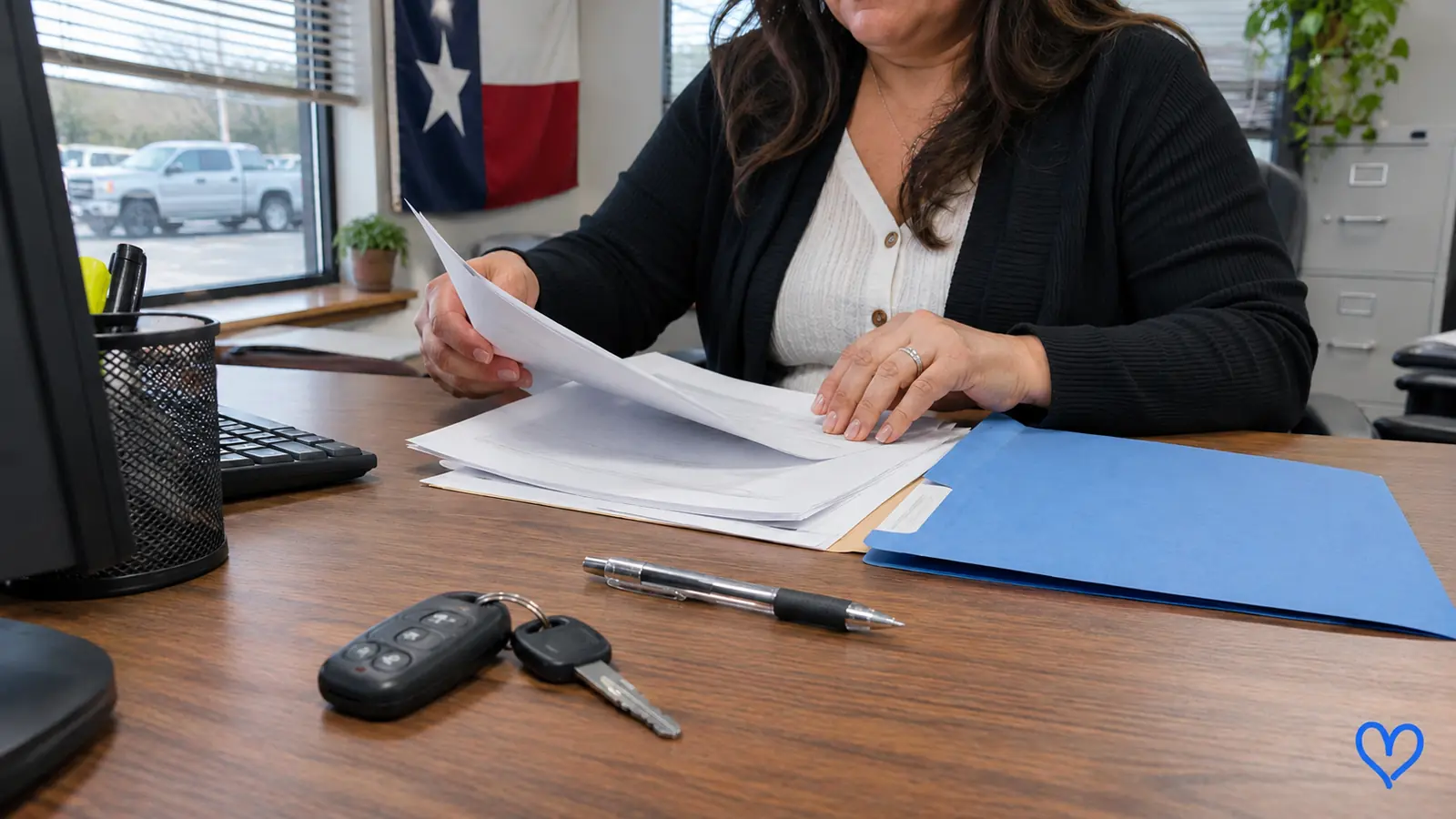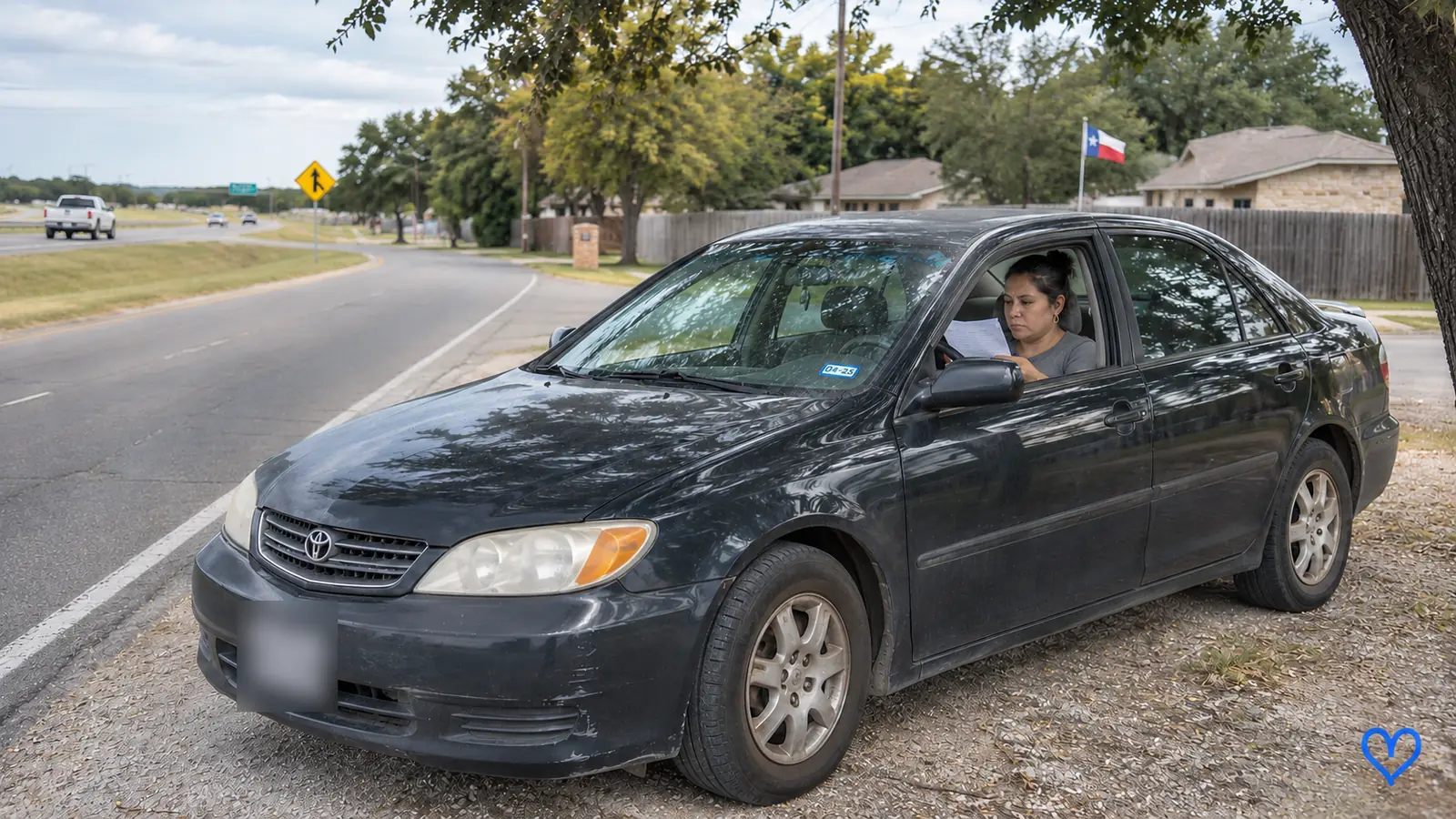
People may need information about auto insurance even when they do not currently hold a valid driver's license. Someone may own a vehicle that another licensed person drives, be in the process of obtaining a license, or have an expired or suspended license.
Buying an insurance policy and being legally allowed to drive are separate issues. An insurance policy does not give someone permission to drive without a valid license.
Will an insurer accept an application?
It depends on the insurer, the applicant, the vehicle, and who will actually drive it. Insurers have underwriting rules, identification requirements, and restrictions involving unlicensed or suspended drivers. Some may decline an application or require a different arrangement. There is no universal approval rule.
What information should you have ready?
An agent may ask about:
- The vehicle's ownership, registration, and use.
- The intended drivers and their license status.
- Whether an applicant's license is expired, suspended, or was never issued.
- The address where the vehicle is kept.
- Any existing insurance or requirements communicated by Texas authorities.
Give complete, accurate information. Do not list a different person as the primary driver merely to obtain a quote if that person will not actually be the primary driver. Misstatements can create serious insurance problems.
What if your license is suspended?
First determine the exact reinstatement requirements with the Texas Department of Public Safety. Some circumstances involve an SR-22 filing. An SR-22 does not independently reinstate driving privileges, and you should not drive until legally permitted.
Different situations call for different conversations
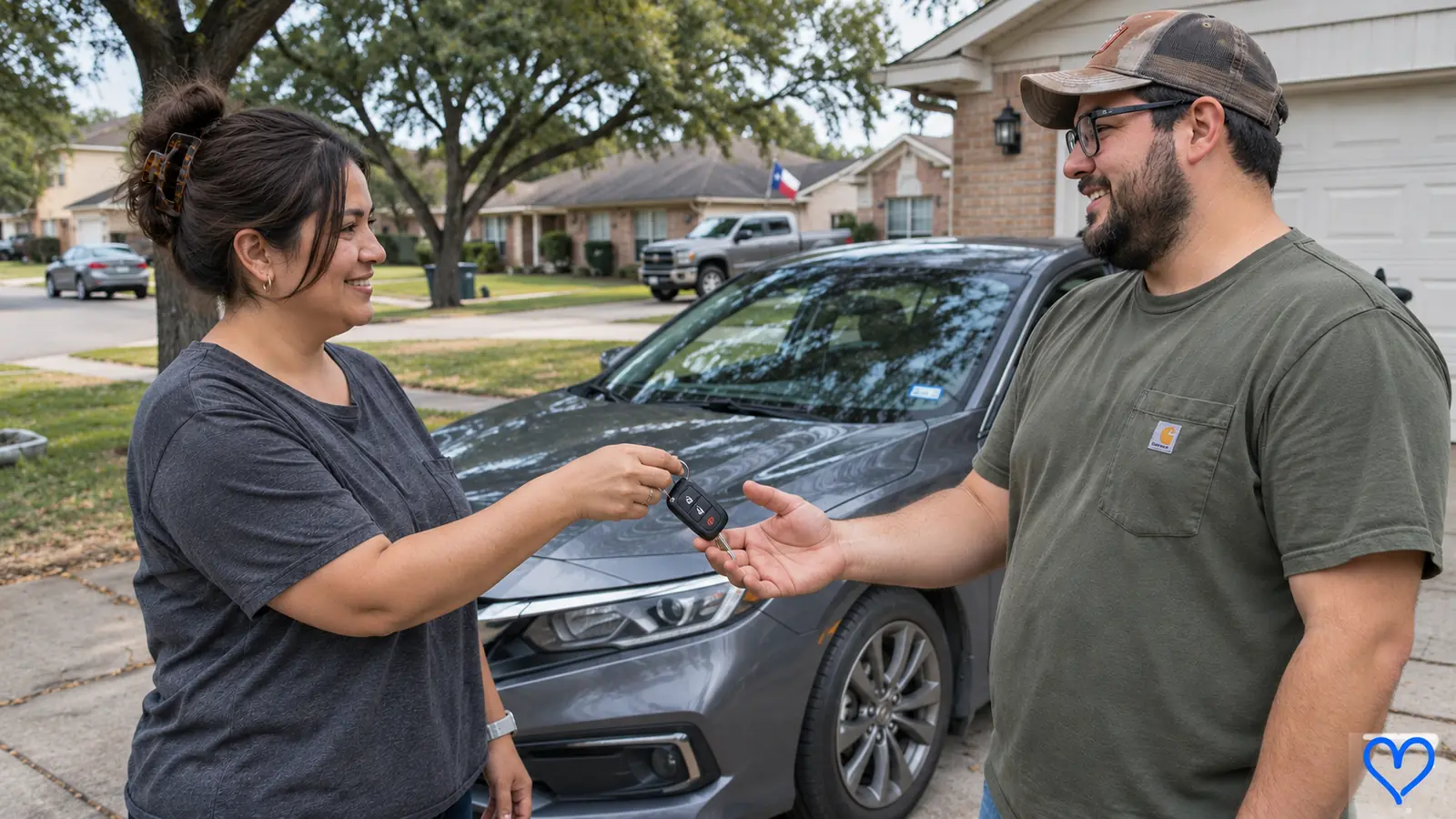
You own a car but someone else drives it. An insurer will want to understand who owns the vehicle, who regularly operates it, and where it is kept. Simply putting a licensed person's name on an application without describing the actual ownership and driving arrangement can lead to inaccurate underwriting information.
Your license expired. An expired license may be treated differently from a license that was suspended or revoked. Ask about the carrier's identification and driver-eligibility requirements, and deal with the licensing issue through the proper authority.
You have never held a Texas license. Your circumstances could involve a license from another jurisdiction, a pending application, or no license at all. Do not assume one insurer's answer applies to all others. An agent needs the actual details to determine which markets, if any, can consider the application.
You have a suspended license and an SR-22 notice. The filing is a separate administrative requirement and may be available through certain insurers, but it does not override a suspension or make driving lawful before reinstatement.
Why accuracy matters more than a quick quote
Insurance applications often ask who lives in the household, who regularly uses the car, and whether any listed person has a restricted driving history. These questions are not merely paperwork. Insurers use the answers to decide whether to offer a policy, which drivers are covered, and at what price. If the information is incomplete or misleading, a claim or the policy itself may be affected under applicable law and contract terms.
Questions to ask before applying
- Does this insurer consider vehicle owners who will not personally drive?
- Which IDs and license details are required for each applicant and driver?
- Does the policy require all household drivers to be disclosed?
- Are any drivers excluded, and what does the exclusion mean?
- What must happen before the vehicle can legally be driven?
Important: No article or insurance quote is a substitute for current instructions from Texas DPS about driving privileges. If you are unsure about your license status, verify it directly before operating a vehicle.
Insurance approval is not the same as legal permission
Even if an insurer is willing to issue a policy to a vehicle owner who is not licensed, that does not authorize an unlicensed person to operate the vehicle. The policyholder, named insured, owner, and listed drivers may be different people in some arrangements, but those roles must be accurately explained and accepted by the insurer. Do not interpret the issuance of an insurance card as a statement from DPS that a suspended or unlicensed driver may drive.
A hypothetical ownership example
Imagine an older parent owns a car but no longer drives, and an adult child will be its regular operator. The insurer needs the true ownership, household, and driver details to decide whether a policy can be issued in an appropriate form. One company may have different underwriting rules from another. The point is not to predict approval, but to make sure the application describes the arrangement honestly.
Where to seek an authoritative answer
Ask Texas DPS about license status, reinstatement conditions, and required filings. Ask the insurance agent about the specific insurer's application and coverage rules. If the vehicle's registration or title is also involved, consult the appropriate Texas motor vehicle authority. Those are distinct questions, and solving only one may not resolve the others.
A useful next step
Explain your situation honestly to a licensed agent before making assumptions about eligibility. Safe House Insurance can review available options, but acceptance, allowable drivers, coverage, and pricing depend on the carrier and policy.
Sources

Safe House Insurance is an independent insurance agency in El Paso, Texas, licensed in Texas and New Mexico.
Have Questions About Your Insurance Options?
Our team can help you explore available coverage options based on your needs.