Letting a friend or family member borrow your car seems simple—until someone asks what happens if there is an accident. The answer depends on the driver, the circumstances, and the language of your policy.
Permission matters, but it is not the only factor
In many situations, a friend with a valid driver's license who has your permission and does not regularly use your car may be covered under your auto policy. That is not a guarantee. Some policies contain limitations or named-driver exclusions that change the result.
What if the person drives your car regularly?
A household member or someone who often uses the vehicle may need to be disclosed or listed, depending on the insurer's requirements. Do not assume occasional-use rules apply to a regular driver. Contact the insurer before allowing repeated use.
What if that person is excluded?
A named-driver exclusion can significantly restrict coverage when the excluded person drives the vehicle. Review any endorsement you signed, and do not rely on informal assumptions about permission overriding a policy exclusion.
Which insurance policy responds first?
The vehicle owner's policy often plays a primary role when someone borrows the car, but the order of insurance and any available coverage can depend on the situation and contracts. Claim outcomes may differ if the driver was unauthorized, unlicensed, using the car for business, or otherwise subject to an exclusion.
Before handing over your keys
- Confirm that the driver has a valid license.
- Check whether the driver is excluded or must be listed.
- Ask about restrictions on business or delivery use.
- Review liability limits and damage coverage for your own vehicle.
Three common borrowing situations
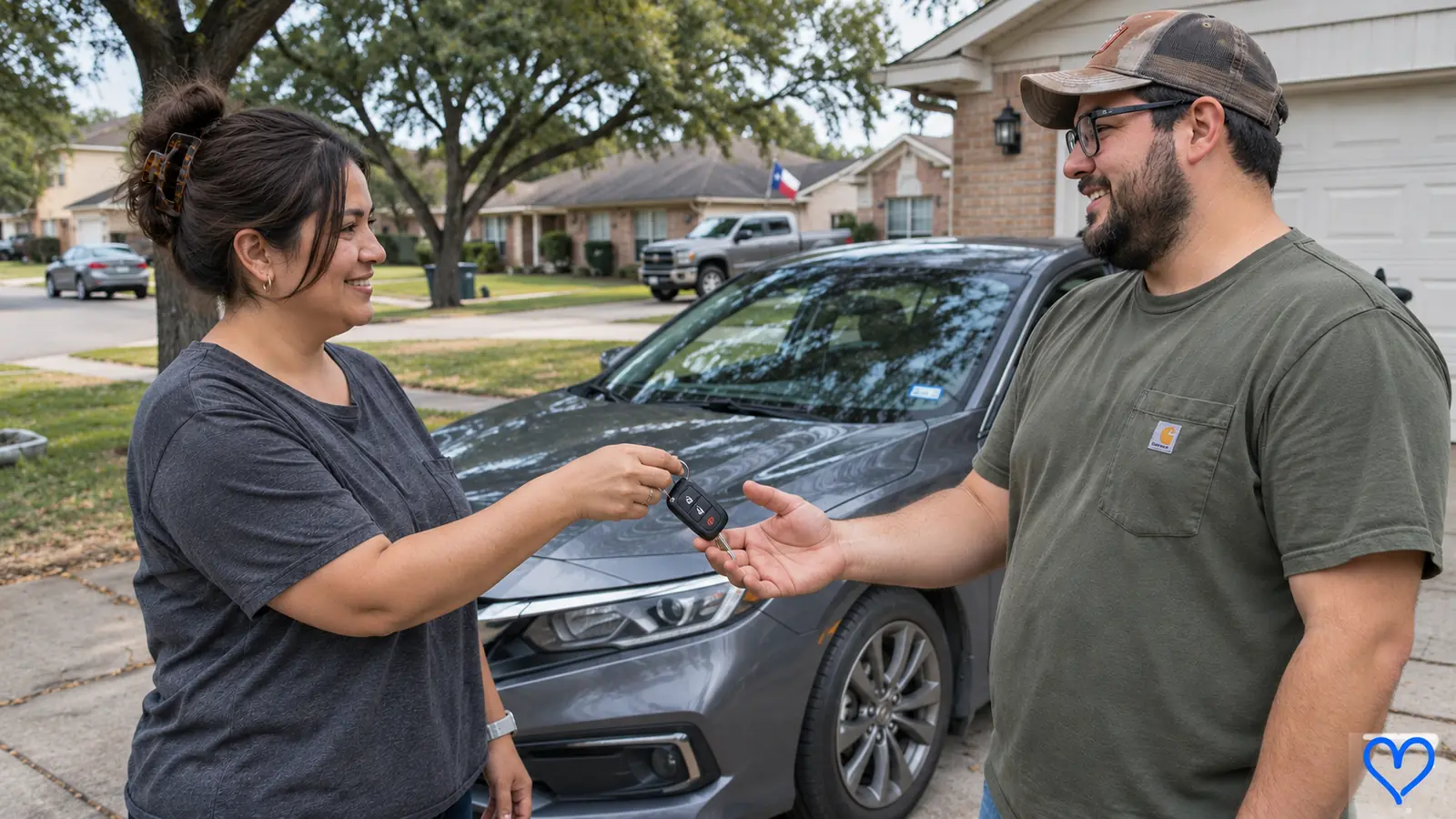
A friend borrows your car for an afternoon. Permission, a valid license, the friend's driving frequency, and your policy terms all matter. The Texas Department of Insurance notes that an occasional licensed borrower with permission will often be covered, but that statement is not a substitute for checking your specific policy.
A relative uses your car to commute every weekday. This is no longer a simple occasional borrowing situation. The insurer may require disclosure or listing of a regular driver. Ask before allowing that routine to continue under assumptions based on a one-time loan.
Someone uses your car for deliveries or paid work. Certain business activities may be restricted or excluded under a personal auto policy. Do not assume that permission alone extends coverage to every commercial activity. Tell the agent how the car is actually used.
What if your friend has their own insurance?
The friend's own policy does not automatically replace or eliminate the vehicle owner's policy. Which insurer may respond, how limits interact, and whether any coverage is available depend on the policies and circumstances. The correct approach is to identify both policies and report the facts accurately if a claim occurs.
What about damage to the car itself?
Liability coverage for harm caused to others is separate from collision or comprehensive coverage for the owner's car. If the owner has liability-only insurance, a covered liability payment to another person does not mean the owner's own car will be repaired. Ask about deductibles and the actual coverages purchased.
Checklist for households with multiple drivers
Review all resident drivers, people who regularly access the keys, any exclusions or restrictions, and the vehicle's usual purpose. Update the insurer when your situation changes. It is much easier to clarify how a policy applies while everyone is safe than after a collision.
Does permission guarantee coverage? No. Permission can be relevant, but it does not erase exclusions, licensing requirements, or other policy conditions.
If an accident happens while your car is borrowed
Make safety and medical needs the first priority. Then gather accurate information about the drivers, vehicles, location, and circumstances. Notify the relevant insurers promptly under the applicable policy conditions, and do not guess about who is covered or which company must pay. The claims professionals will review policy language and facts. Preserve photographs and communications when practical.
Why named-driver exclusions deserve special attention
Some policies contain endorsements that identify a driver whose operation of the vehicle is excluded or restricted. These provisions can have serious consequences. If you have signed one, ask your agent to explain precisely what it says and how it affects the household. Never assume that an excluded driver becomes covered just because the owner gave permission on a particular day.
What if the borrower lives in another household?
Living elsewhere may be relevant, but it is not a complete coverage test. Frequency of use, permission, driver's license status, vehicle use, and the exact policy terms still matter. If you frequently swap cars with a friend or relative, explain that arrangement to your agent instead of relying on a rule meant for a rare, short trip.
Safe House Insurance can help explain questions to ask about your policy before another person drives your car.
Sources

Safe House Insurance is an independent insurance agency in El Paso, Texas, licensed in Texas and New Mexico.
Have Questions About Your Insurance Options?
Our team can help you explore available coverage options based on your needs.