Opening a car insurance renewal notice and seeing a larger premium can be frustrating—especially if you have not had an accident. The immediate reaction is often, “I did nothing wrong, so why did my insurance go up?” An increase does not always mean the company is saying you are a worse driver.
Insurance premiums may change for several reasons, including changes to your own information, the vehicles and coverages on the policy, an insurer's approved pricing approach, and broader costs of covered claims. The specific reason for your renewal is something to investigate with the insurer, not guess from a generic news headline.
| Type of change | Examples to check | Who can clarify it? |
|---|---|---|
| Personal or household information | A new driver, changed driving record, garaging address, mileage or vehicle use | Agent or insurer, using the current policy information |
| Coverage or billing arrangement | Added vehicle, higher limits, changed deductible, lost discount, different fees or term | Old and new declarations pages plus billing schedule |
| General insurer pricing | An insurer's updated rate structure or costs associated with claims | The insurer's explanation; do not assume a specific cause |
These categories can overlap. A renewal can change even when the first two categories appear unchanged.
Review the old and new declarations pages
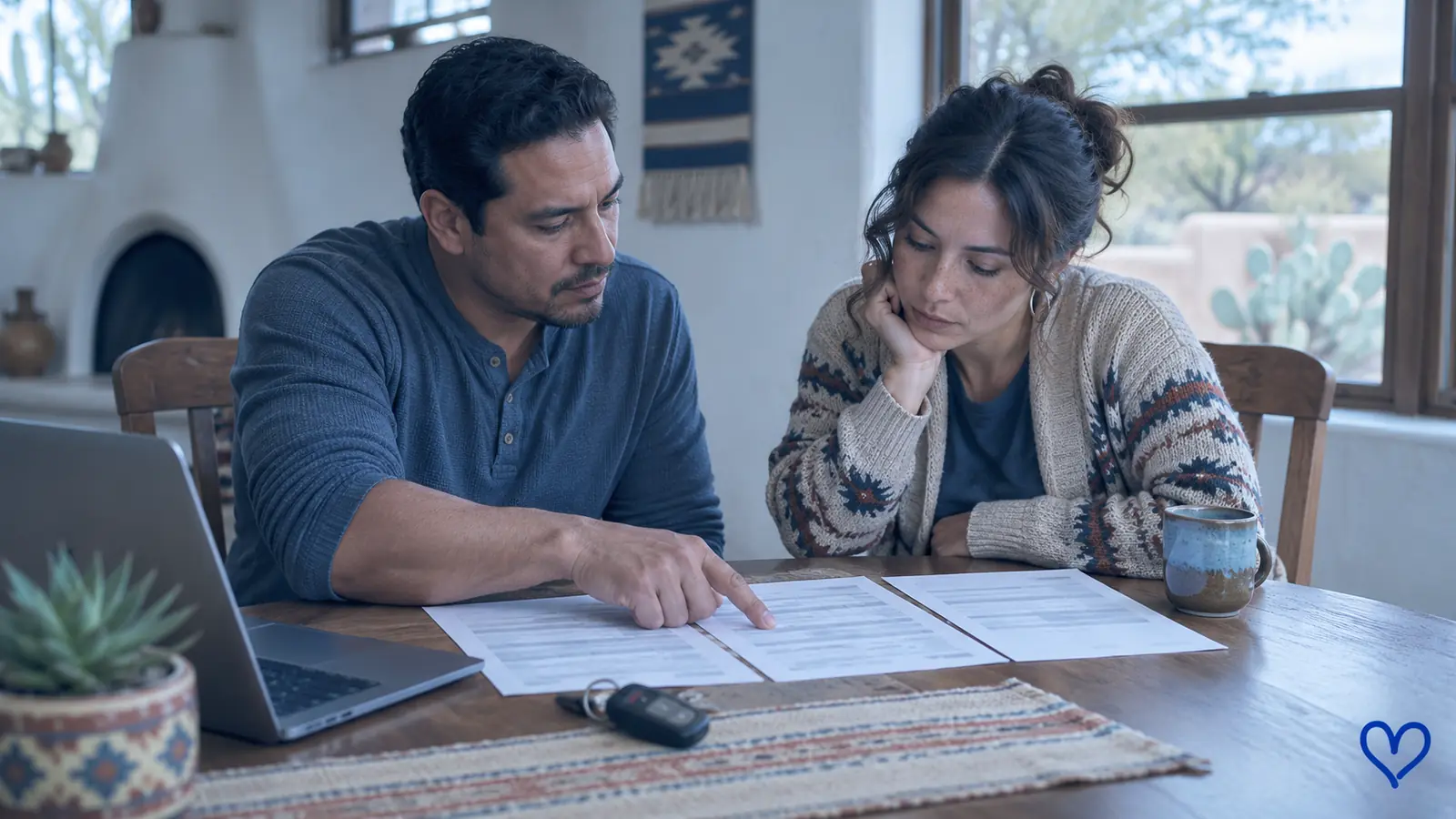
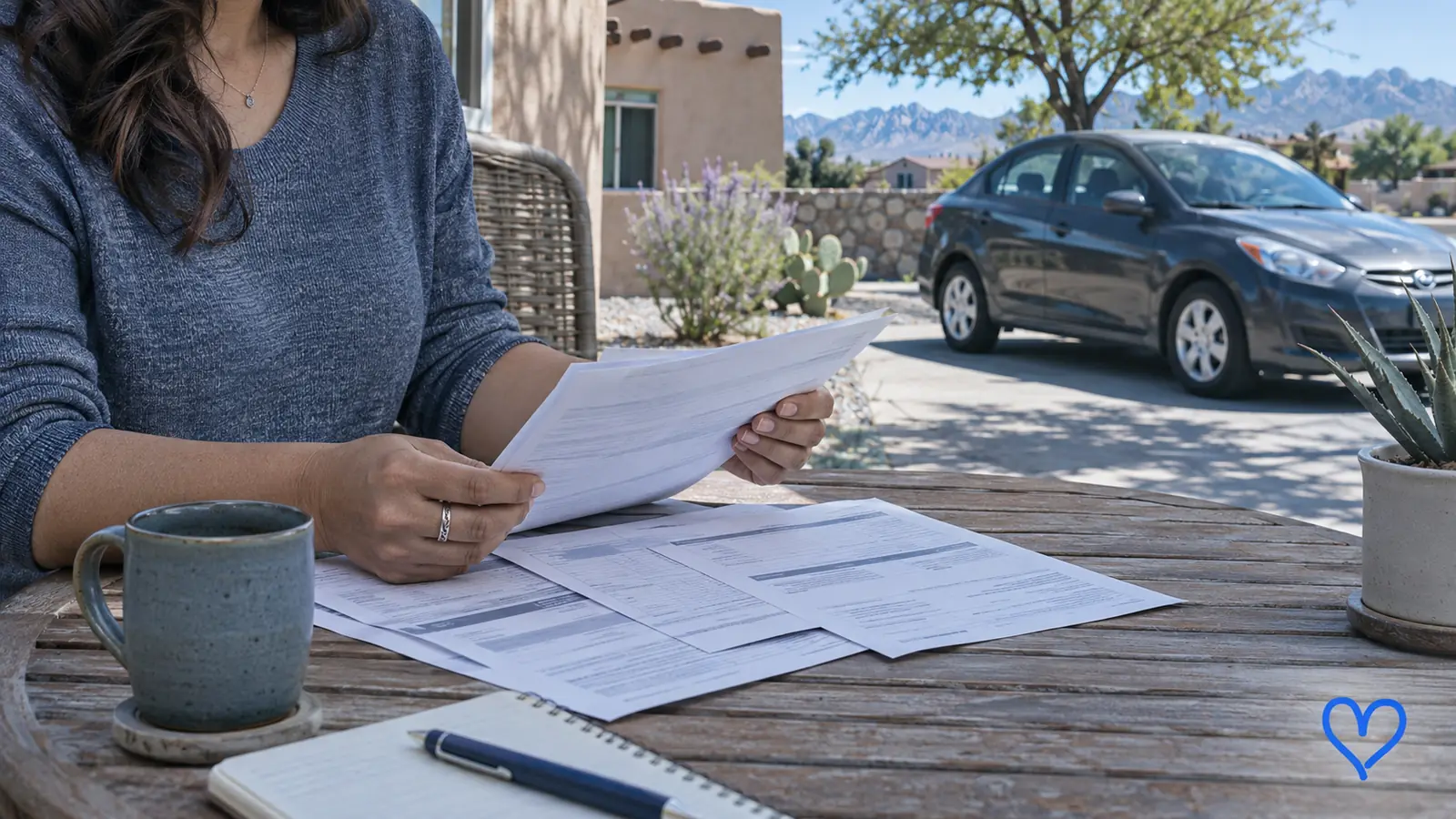
Start with documents you can verify. Put the previous declarations page and renewal offer next to each other. Check the policy term, drivers, garaging address, vehicles, estimated mileage, liability limits, optional coverages, deductibles, and discounts. A change in any of these can influence the amount quoted.
For example, perhaps a teenage driver was added, the annual mileage was updated, or an older discount no longer applies. Alternatively, the policy information may be unchanged while the insurer's rates changed. Your review should distinguish the two rather than assuming every increase is tied to an individual mistake.
A ten-minute declarations-page audit
Use the previous term and renewal side by side. Circle differences in effective dates and length of term; named drivers; vehicle VINs; primary garaging address; annual mileage or use; liability and UM/UIM limits; collision and comprehensive deductibles; discounts/surcharges; full-term premium; and billing fees. If the only obvious difference is price, ask the carrier for the explanation instead of inventing one. If an item is wrong, request a correction and ask for revised documentation.
Repair costs and the type of car you drive
Vehicles have become more complex in ways that may affect repair costs. Sensors, cameras, specialized parts, and labor can make some repairs expensive. The age and type of vehicle may also affect the likelihood and cost of a claim. An insurer may consider these and other lawful factors when setting physical-damage premiums.
This does not mean every modern car necessarily costs more to insure than every older one. Different vehicles have different safety, repair, and theft characteristics; an actual quote reflects the carrier's rules. If you recently replaced your car or changed trims, ask whether that contributed to the new cost.
Claims, driving history, and household changes
Insurers may consider prior claims and driving records when permitted by law. Household-driver information also matters to many companies. If someone with a new license or a different driving history joins the household, the change may affect the proposal. If your driving or claim history was reported incorrectly, ask how to dispute or correct the record.
It is also possible to see a higher renewal with no recent claim. Insurers can update approved rates or other elements of pricing. The fact that you have been insured for many years does not lock in a particular future premium.
Location and usage can matter
Where a vehicle is usually kept and how it is used may affect an insurer's evaluation. A move from one New Mexico ZIP code to another, a longer work commute, or new delivery work may change the information the insurer uses. Tell the truth about the garaging address and use of the vehicle. Listing a convenient but inaccurate address to obtain a lower price can cause serious application or claim problems.
Changes in vehicle usage can also affect coverage eligibility. A standard personal auto policy may have limitations related to business or delivery activity. Discuss any major change in how you use the car before assuming your existing coverage fits.
Why your deductible and limits still matter
One response to a higher premium is to ask whether adjusting deductibles or limits might alter the quote. That can be a legitimate conversation, but the impact extends beyond the bill. A higher deductible means greater potential out-of-pocket cost for a covered physical-damage claim. Lower liability limits reduce the amount of potential liability protection available under a covered claim.
New Mexico's usual liability minimum is 25/50/10. Meeting that minimum does not mean it is adequate for every household, and lowering limits may conflict with your risk preferences. Financed vehicles may also have lender requirements that restrict changes to collision or comprehensive coverage.
A practical process for reviewing an increase
First, confirm the change. Make sure you are looking at the same policy term and total amount, not comparing an old monthly installment with a new six-month premium.
Second, check the facts. Verify names, vehicles, addresses, mileage, use, discounts, coverage selections, and deductibles. Ask which items differ from the prior term.
Third, request a written explanation. The insurer or agent can describe the main factors shown in your renewal and whether any errors can be corrected.
Fourth, compare alternatives consistently. If you request other quotes, hold coverage limits and deductibles constant at first. Evaluate lower-cost choices only after understanding what would be removed or changed.
Fifth, coordinate effective dates. Do not let an old policy lapse while assuming a new proposal has been accepted. Confirm issuance and payment details before changing coverage.
Does making a claim always cause an increase?
No universal rule applies to every claim, company, or situation. How an insurer may use claim history depends on current law and its approved rules. A claim could be relevant to future premiums, while other rate changes may occur independently. It is better to ask the insurer directly than to assume that avoiding every claim will guarantee a stable rate.
What about an error you cannot resolve?
Ask the company for an explanation and keep records of the discussions. If you believe the insurer has mishandled an insurance issue, the New Mexico Office of Superintendent of Insurance provides consumer-assistance and complaint resources. A complaint process is not itself a promise of a particular premium or result.
Renewal premium higher than expected? Ask Safe House Insurance to review the details of your current policy alongside available new quote options, keeping the protection you want in view. A lower renewal or replacement rate cannot be promised.
Sources

Safe House Insurance is an independent insurance agency in El Paso, Texas, licensed in Texas and New Mexico.
Have Questions About Your Insurance Options?
Our team can help you explore available coverage options based on your needs.