“Water damage” sounds like one type of insurance claim, but it describes many different events. A pipe suddenly bursts. A shower leaks slowly behind tile. Rainwater enters through a storm-damaged opening. A sewer backs up. Outside water rises and enters the house. These situations can involve very different coverage provisions.
The Texas Department of Insurance explains that homeowners policies often address certain sudden and accidental water losses but generally limit or exclude gradual seepage and flooding. Do not assume all water comes under the same clause—or that a deductible is the only obstacle to payment.
Sudden and accidental water damage
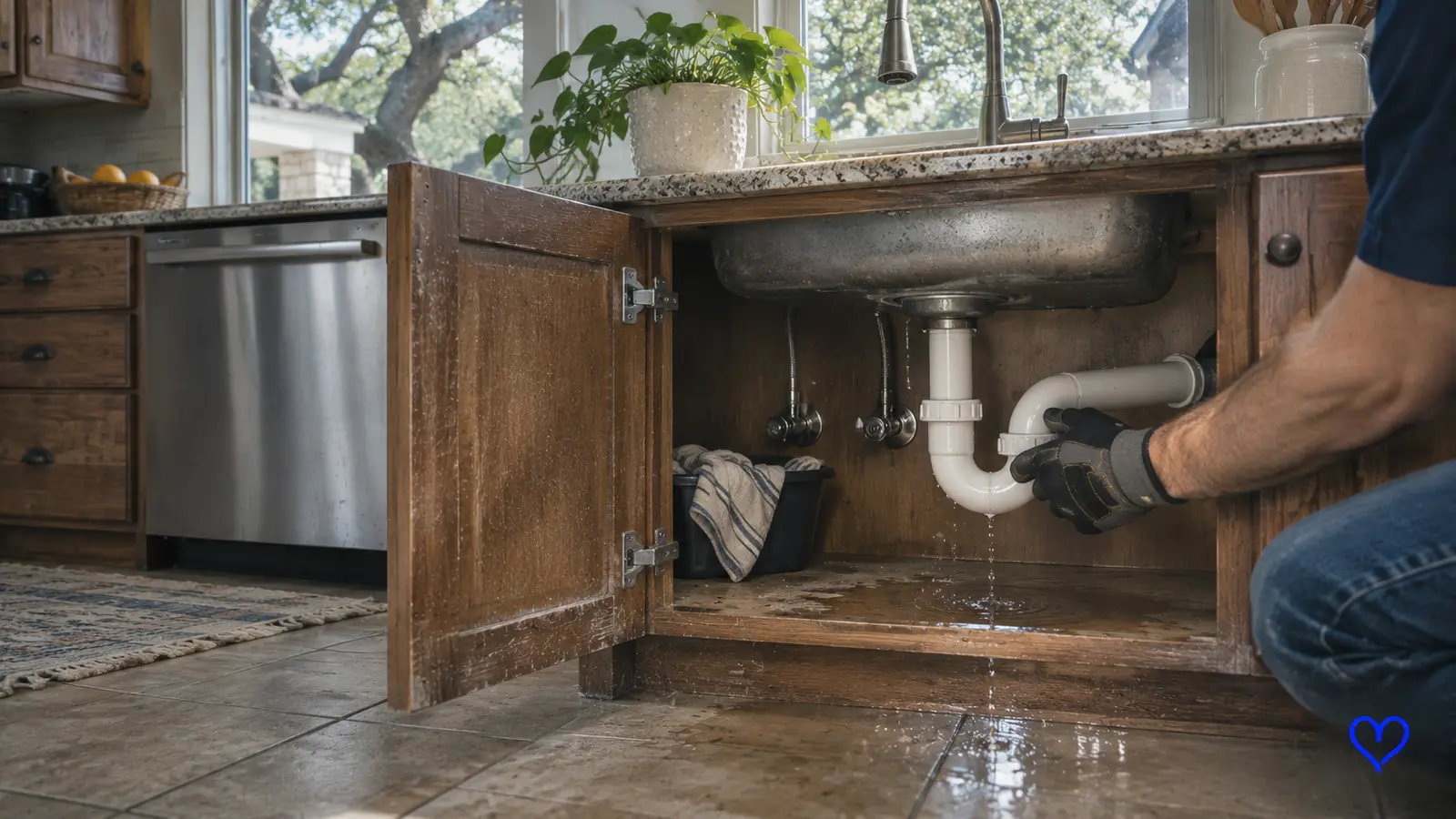
TDI gives examples such as a burst pipe or broken washing-machine hose when discussing water losses commonly addressed by homeowners insurance. Whether a particular incident is covered still depends on the policy's covered causes, exclusions, maintenance conditions, and details of the loss.
For instance, imagine a hypothetical El Paso family returns home to discover a supply line has abruptly broken and leaked across the kitchen floor. They may have a potentially different insurance question from a homeowner who ignored small stains under the sink for months. The question is not simply how much water is present, but how, when, and why it appeared.
Gradual leaks, deterioration, and maintenance problems
Long-term seepage, repeated leakage, wear, corrosion, and poor maintenance are common sources of disagreement. Many home policies exclude or restrict damage that develops gradually. Some forms contain special wording or optional endorsements, so never extrapolate from one insurer's explanation to another's contract.
A water spot on a ceiling does not prove that the insurer will pay for drywall, flooring, and an entirely new roof. Identify the likely source with qualified help, document the condition, and determine whether the policy's time and cause provisions matter.
Rain through a damaged roof is not the same as flooding
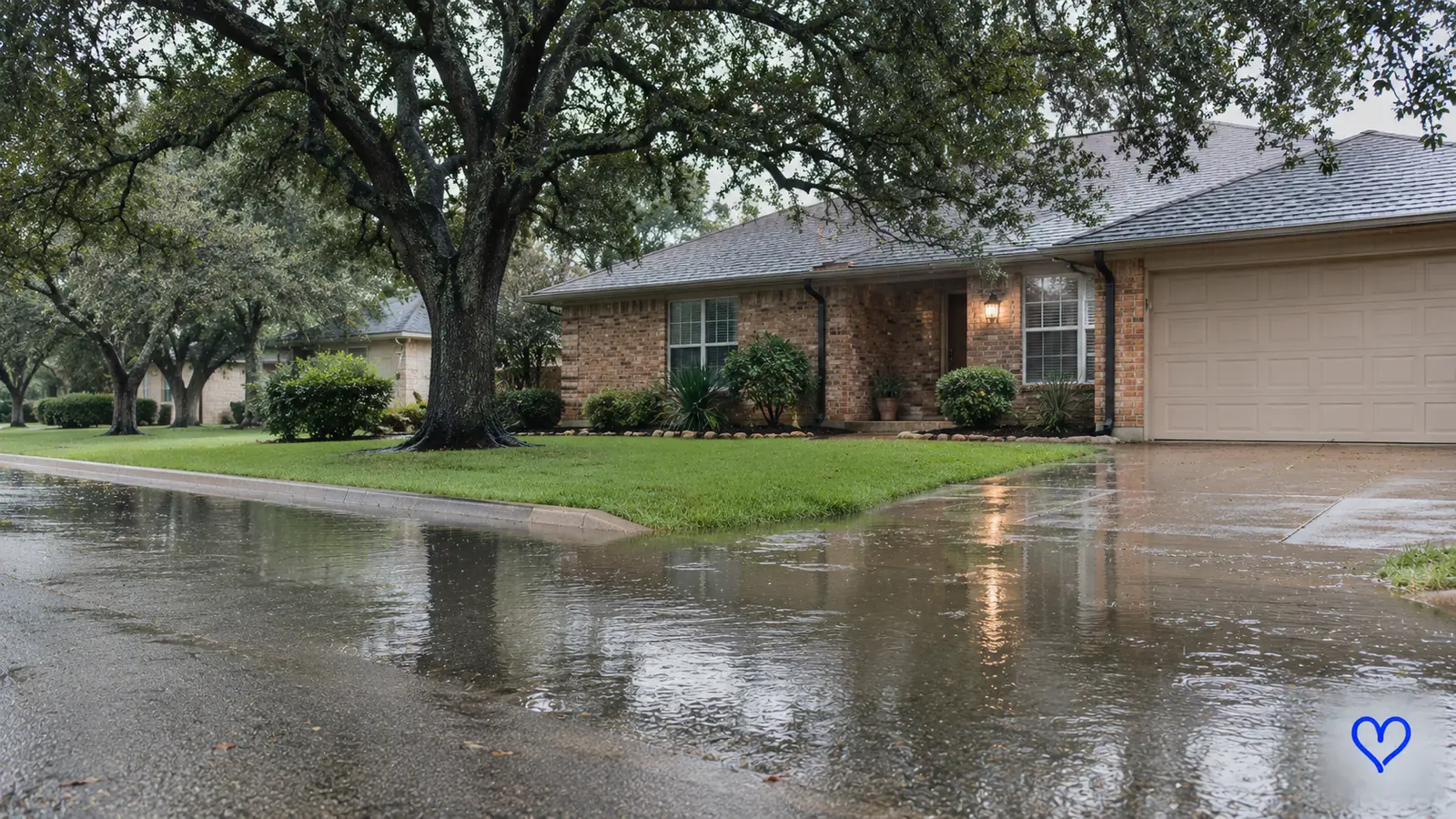
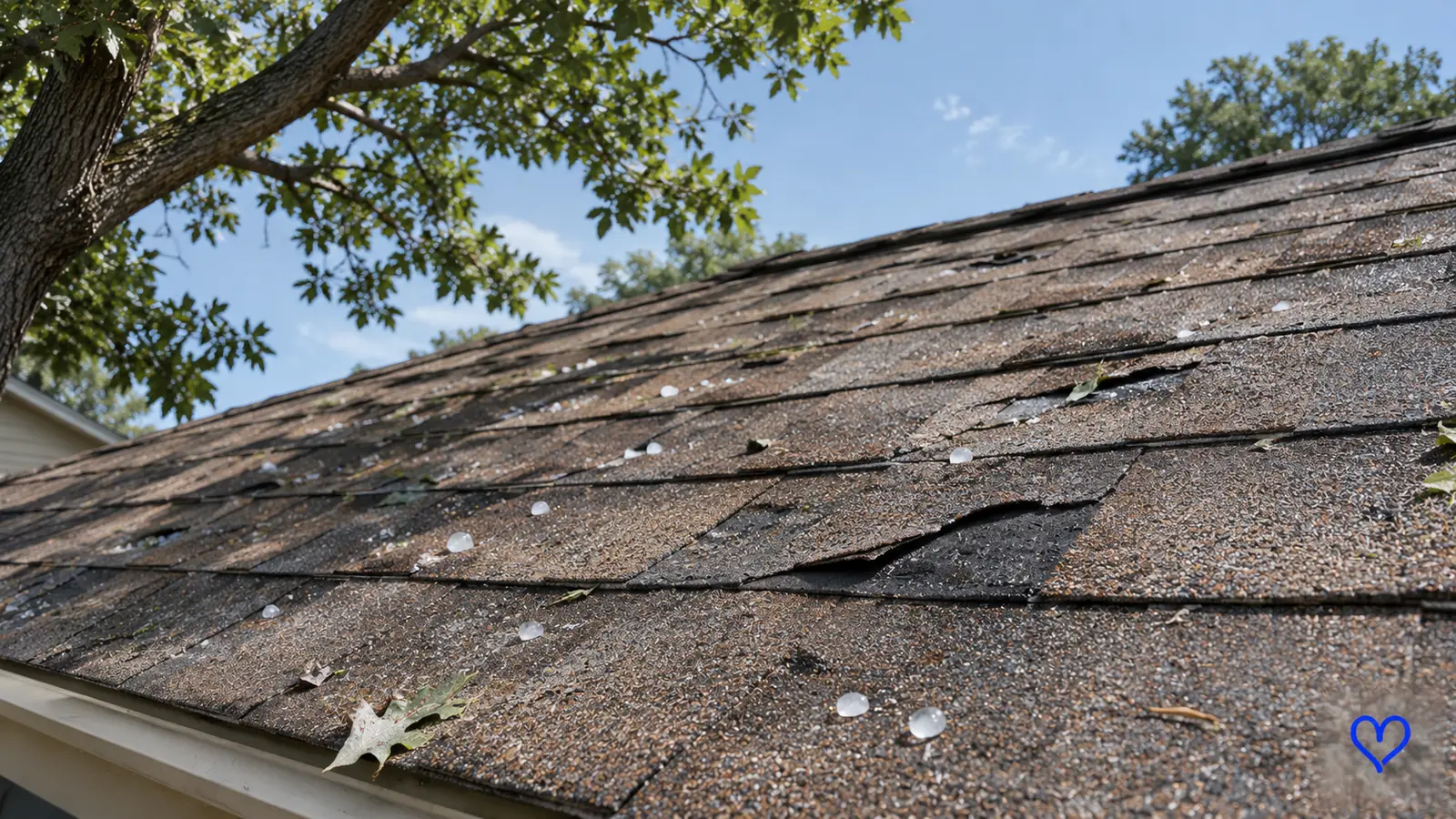
Suppose a covered windstorm creates an opening in the roof and rain then enters through that opening. That may raise a wind-and-rain claim under the policy. It is a different question from rising water running over the ground through a doorway or garage. Ordinary homeowners policies generally do not cover flood damage; separate flood insurance may be needed.
The boundary can be fact-specific. Do not label every heavy-rain loss a “flood” or every wet interior a “roof claim” without investigating the physical path of water and the policy language.
Sewer backup and drain overflow
Water or sewage backing up through drains, toilets, or certain plumbing systems can involve a separate exclusion or optional endorsement. A home insurance quote may mention “water backup” or “sewer/drain backup,” but the name alone does not explain limits, exclusions, eligible systems, or whether exterior drains and sump pumps are included.
Ask for the written description, dollar limit, deductible, and covered scenario. Do not assume a water-backup endorsement replaces flood insurance. TDI distinguishes backup-of-sewer/drain coverage from outside floodwater.
What about mold?
Mold can arise after water enters a house, but cleanup and testing may be subject to distinct restrictions. TDI notes that mold associated with certain sudden and accidental covered water losses can be treated differently from mold arising from gradual leaks or excluded flooding. Some policies or endorsements may provide limited mold remediation protection; others may not.
The useful question is not “Does my policy have mold coverage?” alone. Ask what caused it, whether that cause is covered, which cleanup activities qualify, and what limit applies. Avoid assuming there is unlimited testing, removal, or replacement protection.
A side-by-side water-loss checklist
| Hypothetical event | Insurance issue to investigate |
|---|---|
| Washer hose breaks suddenly | Sudden-and-accidental water provisions and affected property |
| Small pipe leaks behind wall for months | Gradual seepage and maintenance exclusions |
| Wind creates roof opening; rain enters | Wind/rain conditions, opening requirement, and deductible |
| Sewer backs up through a drain | Water-backup endorsement, limits, exclusions |
| Outside stormwater flows into the house | Separate flood policy and its own terms |
| Mold appears after water damage | Cause of water, mold limitation, and any remediation endorsement |
These examples are illustrative, not judgments that a policy will or will not pay. An insurer evaluates the actual contract and facts.
What to do in the first hours after a leak
Protect people first. If it is safe, shut off the water supply or address an electrical hazard with qualified assistance. Take photographs and record when the problem was discovered. Reasonable mitigation, such as removing standing water, may help prevent further damage, but save invoices and discuss claim requirements with the insurer.
Do not risk injury or wait for claim approval before taking urgent safety steps. At the same time, preserve appropriate evidence and avoid assuming every emergency service bill will be reimbursed. Depending on circumstances, it may be wise to contact a qualified plumber or restoration professional and request written findings.
Questions to ask before your next renewal
- How does this policy define sudden water damage and gradual leakage?
- Does it include sewer or drain backup, or is an endorsement required?
- What limits or deductibles apply to water losses and mold cleanup?
- Is rain entering through an opening treated differently from surface flooding?
- What maintenance, notice, or mitigation duties would I have?
- Does the policy cover the damaged pipe itself, resulting damage, both, or neither under the circumstances?
Water exclusions and endorsements can substantially change a proposal. Compare the actual wording, not only the annual premium.
Does insurance repair the leaking item itself?
One easily overlooked distinction is between the source of a leak and the damage that water causes afterward. A policy may treat repairs to a failed pipe or appliance differently from qualifying damage to cabinets, drywall, or flooring. Even when resulting damage is covered, the cost of replacing an aging plumbing component might not be. The answer depends on the cause, policy wording, and the property affected.
Consider a fictional situation: a small supply fitting unexpectedly fails and damages nearby flooring. A plumber quotes one amount to replace the fitting and another to dry and restore the floor. Do not combine the two amounts and assume the whole invoice is insured. Ask the insurer which line items it considers eligible, whether any investigation or access costs are addressed, and how the deductible applies. Maintain invoices and photographs for each part of the work. This distinction can be just as important as whether the incident was sudden.
Questions about burst pipes, slow leaks, or drain backups? Contact Safe House Insurance to review water-related provisions and optional endorsements in available Texas homeowners quotes, including whether separate flood protection is worth exploring. The written policy determines coverage.
Sources

Safe House Insurance is an independent insurance agency in El Paso, Texas, licensed in Texas and New Mexico.
Have Questions About Your Insurance Options?
Our team can help you explore available coverage options based on your needs.