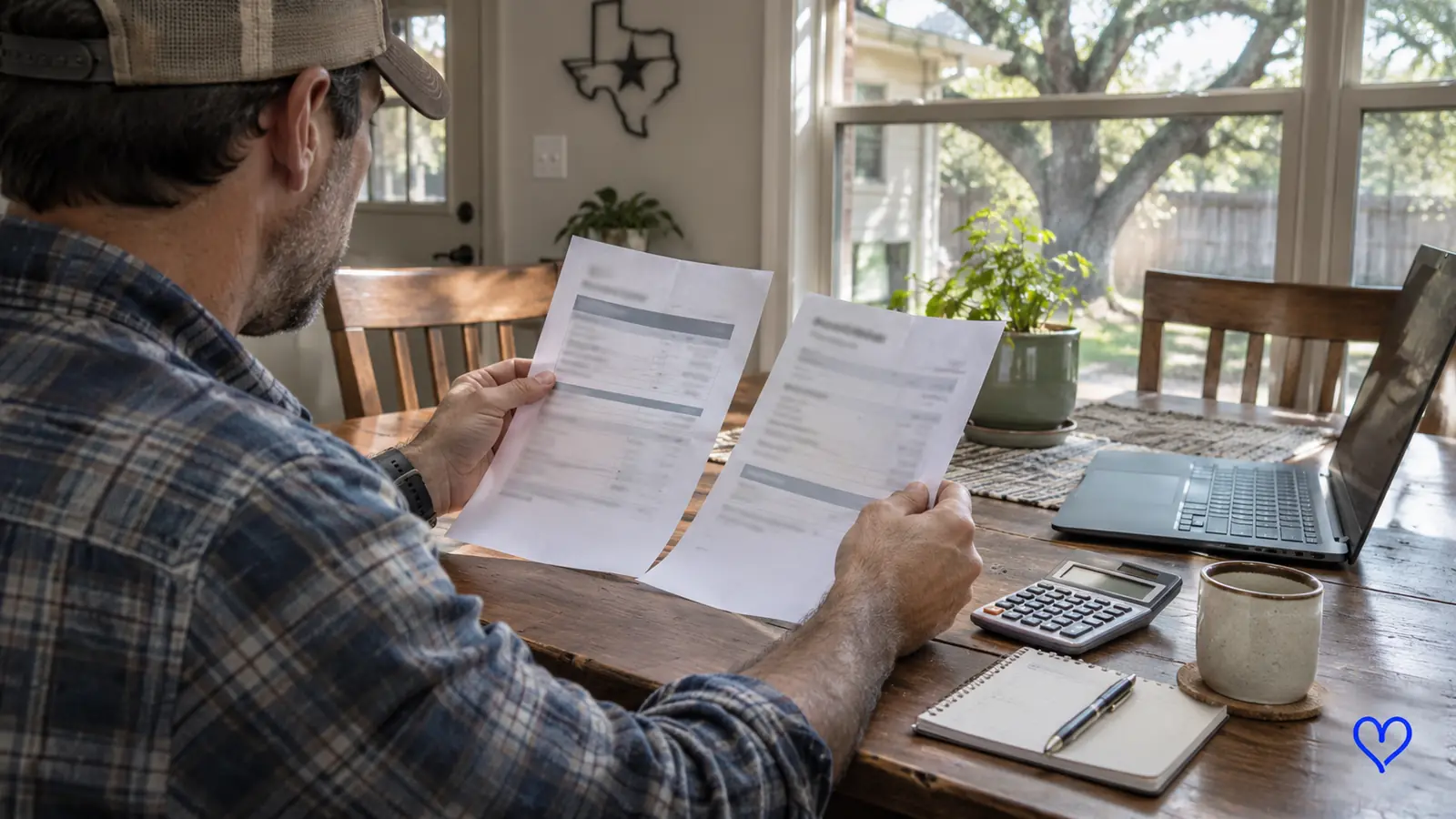
One of the most important home insurance decisions is the amount of insurance you request. It is also one of the easiest decisions to misunderstand. Homeowners may look at a purchase price, property-tax assessment, mortgage balance, or online home-value estimate and assume that number should be their dwelling limit. Those figures serve different purposes.
The more useful starting question is: What might it cost to repair or rebuild the insured structure after a serious covered loss? The answer requires information about the home itself, local construction costs, and the insurer's replacement-cost estimating approach—not just its location on a real estate map.
Start with dwelling replacement cost
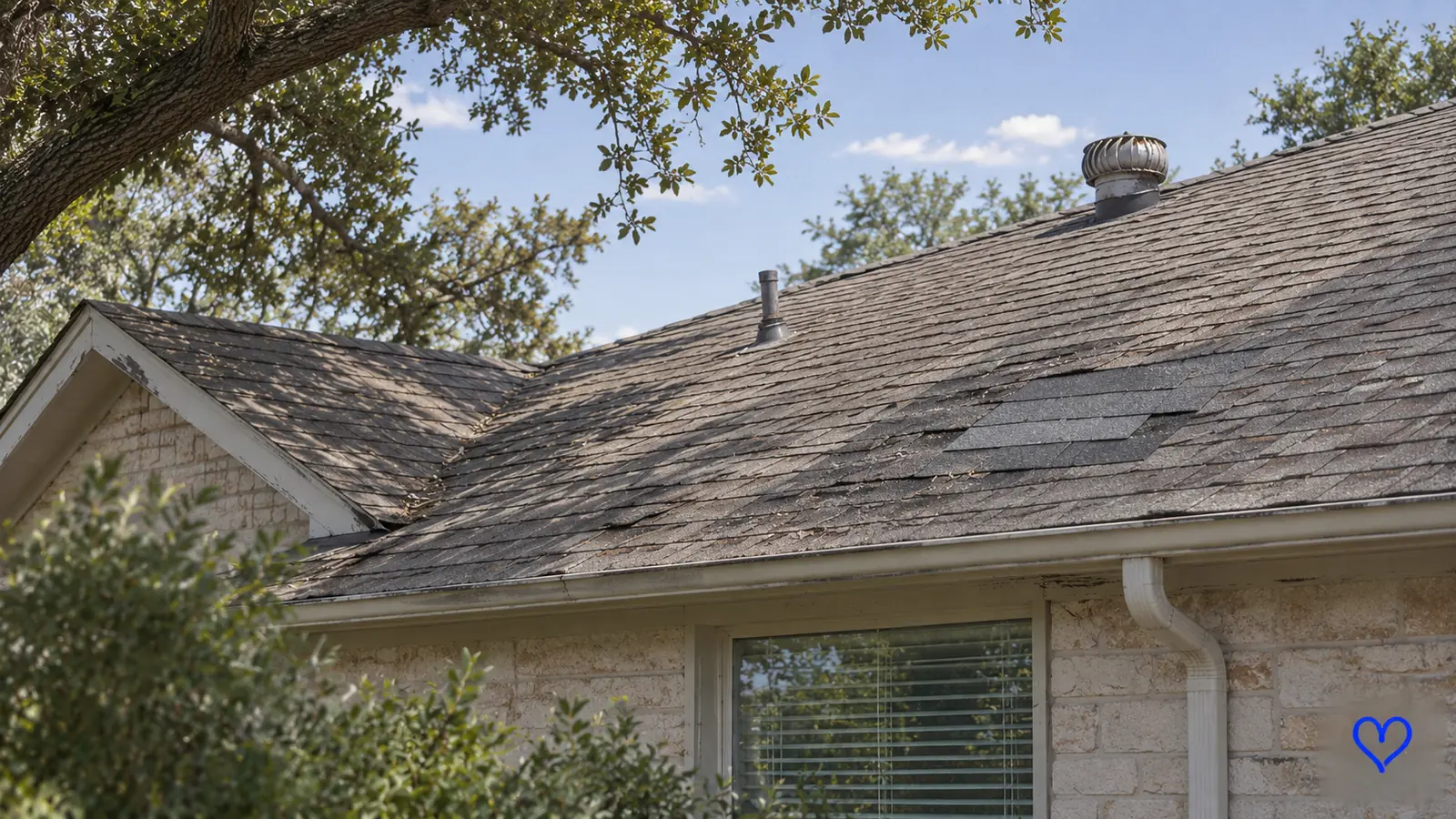
Dwelling coverage generally refers to the house and qualifying attached features. A replacement-cost estimate can consider square footage, construction materials, roof shape, roof type, number of stories, interior finish level, bathrooms, attached garage, local labor rates, and other physical details. A simple floor plan and a custom home with the same square footage can have very different rebuilding estimates.
Insurance replacement cost is not the same as land value. If a property sells for $320,000, for example, some of that purchase price reflects land and market conditions. The estimated cost to rebuild the structure could be less or more than the sale price. An agent should not casually equate the two.
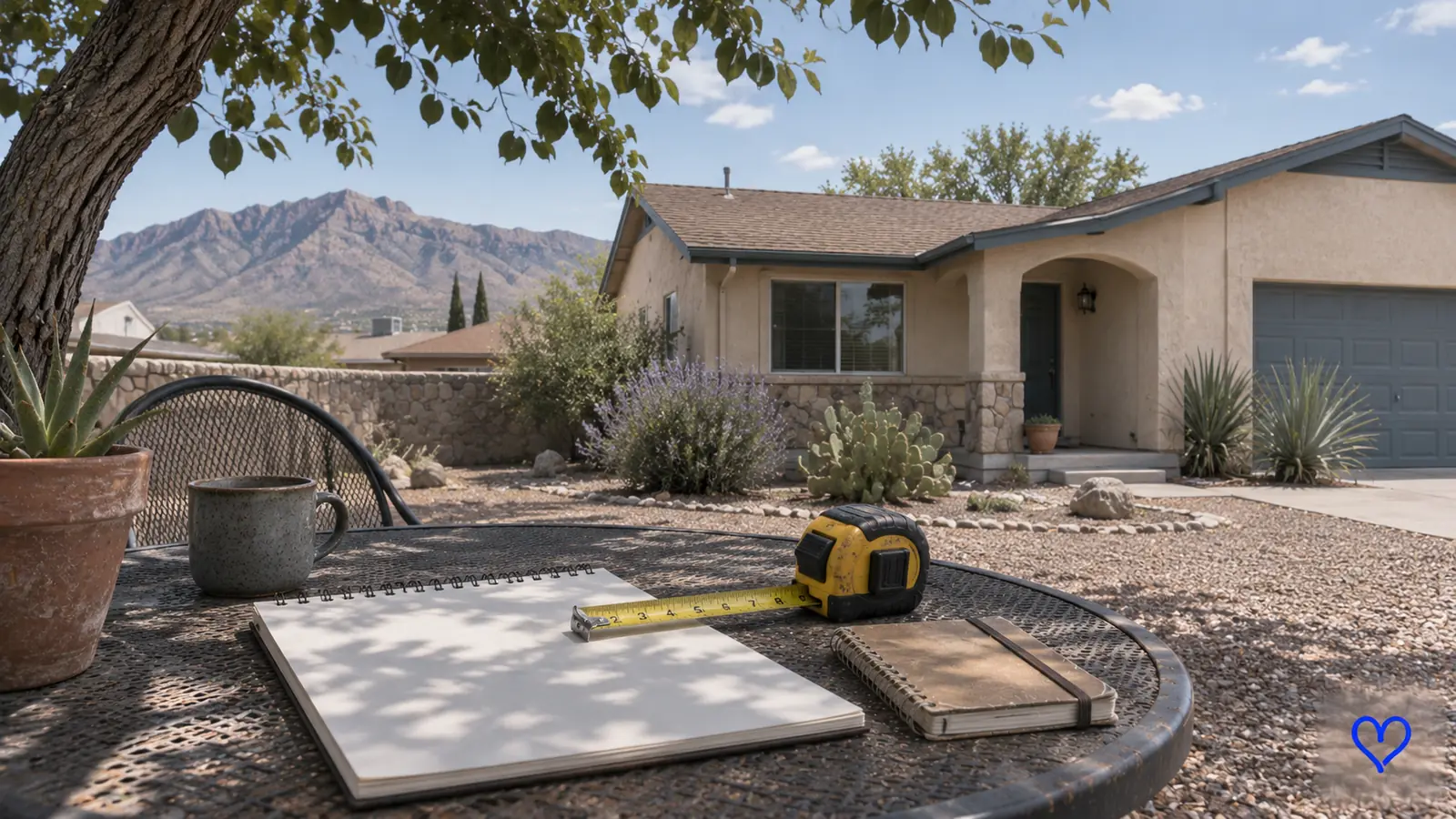
Hypothetical example: an El Paso homeowner
Consider a hypothetical El Paso owner who bought a house for $290,000, still owes $215,000 on the mortgage, and receives a reconstruction estimate of $265,000 from an insurer's valuation tool. Those numbers describe different things: sale price, debt, and estimated rebuilding expense. None automatically establishes the correct final dwelling limit; the insurer may require more details or another estimate.
If the owner recently enclosed a patio or upgraded part of the house, those changes should be disclosed and evaluated. The useful action is to confirm the home's characteristics and discuss the reconstruction estimate, not to choose the smallest number merely to lower a premium.
Understand possible minimum-to-replacement-cost conditions
TDI explains that insurers often require a house to be insured for a substantial proportion of its replacement cost, sometimes 80% or even 100%, depending on the company. These insurer-specific requirements and potential loss-settlement conditions must be reviewed in the actual contract. Eighty percent is not a universal recommendation to insure every home for only 80% of rebuilding cost.
An underinsured home could leave the owner responsible for expenses above a limit or subject to particular settlement provisions after a partial loss. Conversely, buying a high dwelling limit does not necessarily mean an insurer will pay more than a covered loss requires.
Other structures need their own attention
Detached garages, fences, and sheds are not always valued or limited in the same way as the main dwelling. A policy may calculate other-structures coverage as a percentage of the dwelling amount, but whether that is adequate depends on what the property contains.
A Texas house with an ordinary fence may have different needs from one with a large detached garage, stone retaining walls, or a workshop. Ask whether special limits, separate schedules, or business-use restrictions affect those structures.
Make a realistic inventory of belongings
Your personal property limit should reflect what replacing the contents could cost—not only the most valuable items you remember. Walk through each room and include clothing, furniture, kitchen equipment, tools, computers, and smaller everyday items. Those smaller items can add up after a total loss.
| Room or area | Items to record | Information worth keeping |
|---|---|---|
| Living room | Seating, television, lamps, rugs | Approximate age, model, photos |
| Kitchen | Tableware, small appliances, cookware | Photos, receipts for major purchases |
| Bedrooms | Clothing, furniture, electronics | Inventory and approximate quantities |
| Garage | Tools, stored belongings, recreational gear | Photos, model/serial numbers where practical |
| Special valuables | Jewelry, art, collectibles | Appraisals and questions about sublimits |
An inventory is an organizational aid, not proof that every item or cause of loss is covered. Verify any special per-item restrictions and whether personal-property losses settle at replacement cost or actual cash value.
Consider liability separately from the house value
Liability limits respond to a different exposure: qualifying legal responsibility for injuries or damage to others. The appropriate amount is not calculated directly from square footage. Discuss household activities, visitors, pets, pools, home-based business activity, and other circumstances that the insurer asks about.
For some households, comparing higher liability limits or an umbrella policy may be worth discussing. Availability and eligibility differ, and umbrella coverage has its own terms and underlying-limit conditions. None of these choices guarantees that a particular legal claim will be paid.
Additional living expenses can be overlooked
Imagine a covered fire makes the kitchen and bedrooms uninhabitable during a lengthy reconstruction. Even if the dwelling limit is adequate, the family might need temporary lodging. Compare the loss-of-use or additional-living-expenses amount and any time or dollar restrictions.
An adequate dwelling limit does not automatically mean unlimited hotel or rental reimbursement. Ask how the policy defines necessary additional expense and what receipts the insurer may require.
What about the mortgage company?
Mortgage lenders commonly require hazard insurance and may have requirements for dwelling limits, mortgagee wording, and policy form. The loan balance is not the correct insurance amount by itself. A homeowner whose mortgage is nearly paid off can still face a substantial rebuilding expense.
Likewise, paying the mortgage off does not remove the financial risk that the house could be damaged. TDI notes Texas law does not generally require a homeowner to buy insurance, but a lender can require it as a loan condition. Keep separate the legal question, lender's contractual requirements, and your own financial planning.
Review limits as the property changes
Home improvements, remodeling, additional structures, major contents purchases, or changes in local rebuilding costs can make older estimates outdated. At renewal, compare the declarations page with the house as it exists today and check the insurer's current valuation assumptions.
If a proposal appears to insure your dwelling for far more—or far less—than expected, request an explanation of the reconstruction estimate. Do not assume an automated number is perfect, but also do not substitute an unsupported guess without discussing it with the insurer.
Not sure how much coverage to request for your Texas home and belongings? Contact Safe House Insurance to review your property's details and request a homeowners insurance quote. We can help you understand the limits being proposed; eligibility, valuation, and final terms are determined by the insurer.
Sources

Safe House Insurance is an independent insurance agency in El Paso, Texas, licensed in Texas and New Mexico.
Have Questions About Your Insurance Options?
Our team can help you explore available coverage options based on your needs.