You can have homeowners insurance and still be surprised by the amount of a covered claim payment. One reason is the difference between replacement cost value (RCV) and actual cash value (ACV). Both are insurance valuation terms. Neither tells you whether a particular storm, leak, or damaged item is covered in the first place.
TDI emphasizes these distinctions in its consumer guides, especially for roofs and personal belongings. To understand a proposal, you need to read the loss-settlement terms, deductible, endorsements, and any conditions for recovering depreciation—not simply look for the words “home insurance.”
What does replacement cost mean?
Broadly, replacement cost coverage bases a qualifying loss on what repairing or replacing covered property with comparable materials costs at current prices, subject to limits and contract conditions. It does not necessarily mean unrestricted upgrades, a completely new house, or payment beyond the actual cost of covered work.
Some policies initially pay an amount reflecting depreciation and later release additional eligible funds after repairs or replacement are completed and documented. Deadlines and proof requirements can apply. The phrase “replacement cost” alone does not answer whether the insurer can withhold some payment until work is done.
What does actual cash value mean?
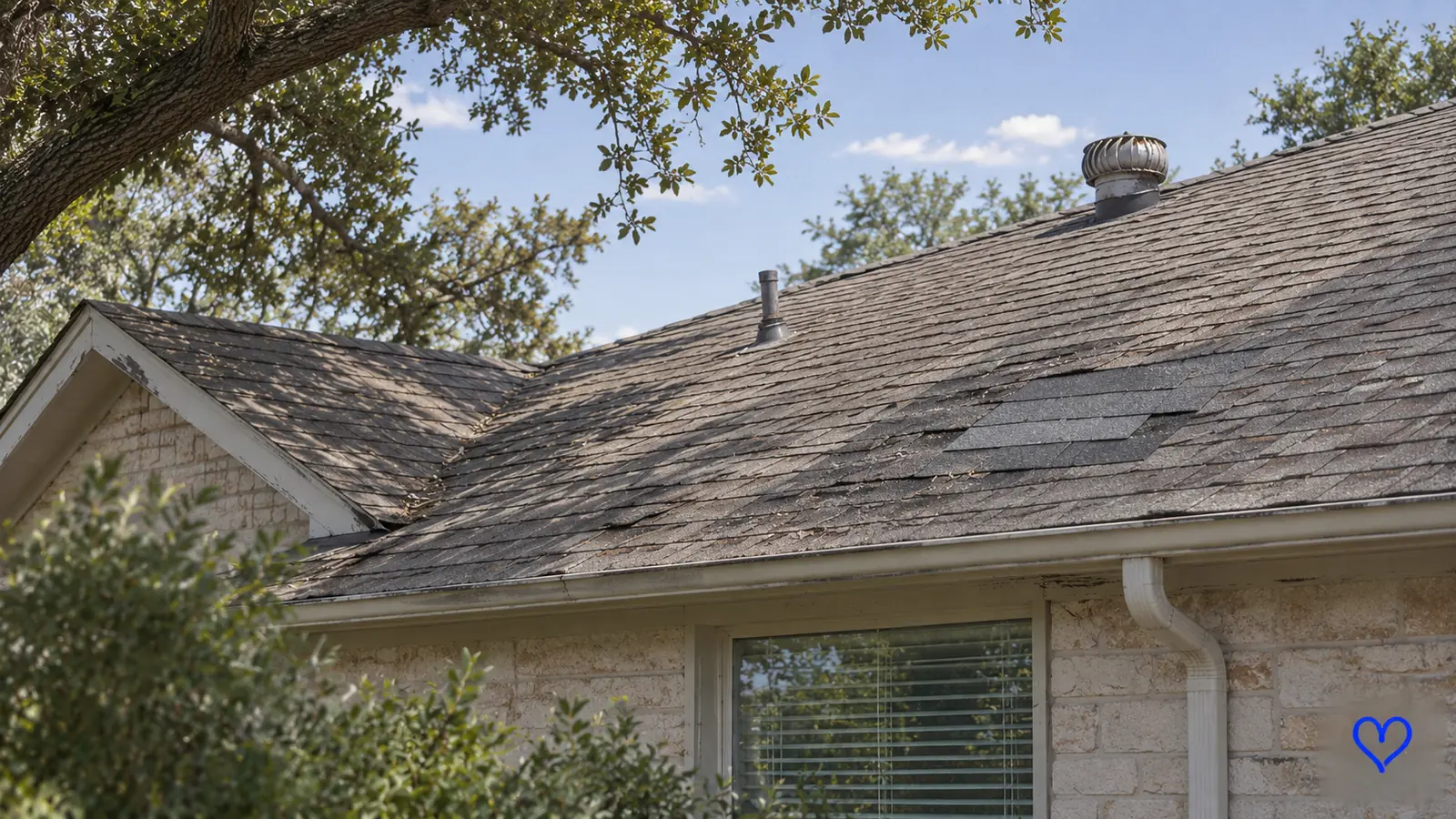
ACV generally reflects the cost to replace covered property minus depreciation. Depreciation accounts for factors such as age, wear, and condition under the applicable method. An old roof can therefore have a different ACV amount from the cost of a brand-new replacement, even when the damage is covered.
Depreciation is not the same as the deductible. The insurer's valuation may first recognize a depreciated amount; the applicable deductible is then separately considered. The resulting out-of-pocket difference can be important.
A hypothetical roof calculation
Imagine a fictional Texas homeowner with a covered roof loss requiring $18,000 in qualifying replacement work. For illustration, assume $7,000 in depreciation and a $3,000 applicable deductible. This is a math exercise, not an estimate of any insurer's roof pricing, claim settlement, or the amount a specific policy would pay.
| Illustrative component | Replacement-cost arrangement* | Actual-cash-value arrangement* |
|---|---|---|
| Estimated qualifying replacement work | $18,000 | $18,000 |
| Hypothetical depreciation | $7,000 initially withheld | $7,000 deducted in valuation |
| Estimated starting valuation | $11,000 | $11,000 |
| Hypothetical applicable deductible | $3,000 | $3,000 |
| Illustrative initial insurance payment | $8,000 | $8,000 |
| Possible additional recoverable depreciation | Up to $7,000 after qualifying work, if contract conditions are met | Typically not recoverable under ACV-only settlement |
| Illustrative total payment if all applicable terms are met | Up to $15,000 | $8,000 |
These are simplified invented numbers. Real estimates may include multiple line items, contractor supplements, sublimits, exclusions, and payment conditions. Nothing here guarantees a payment. Under either approach, the homeowner's deductible and any noncovered work remain their responsibility.
The key is not merely that one headline price is larger. A policy with a lower premium but ACV roof settlement may transfer a materially different financial risk to the homeowner.
A roof can have its own endorsement
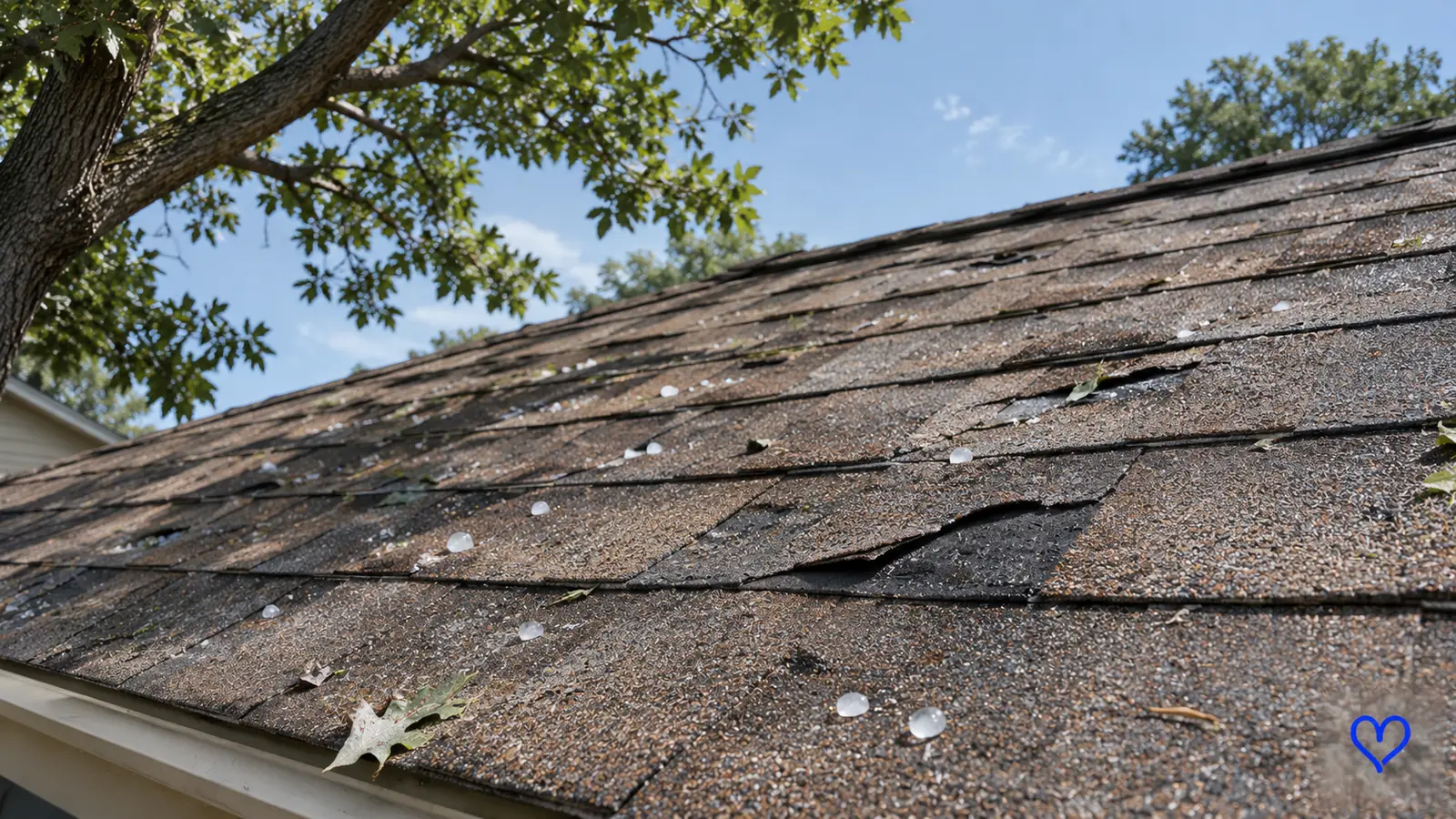
Some Texas home policies treat the roof differently from the dwelling's other components. A declarations page might advertise replacement cost on the house while an endorsement limits roof losses to ACV after the roof reaches a certain age, or imposes another special term. TDI advises consumers to check renewal documents because roof terms can change as materials age.
Ask four separate questions: Is the cause of roof damage covered? Is roof settlement RCV or ACV? Which deductible applies—ordinary property, wind/hail, or another? Are cosmetic-only damage or particular materials restricted? These questions are more precise than asking whether the home has “full coverage.”
Contents may be valued differently from the house
Clothing, furniture, appliances, electronics, and other personal possessions may also be settled at RCV or ACV, depending on policy wording. A couch purchased eight years ago could have a much lower depreciated value than the price of a comparable new couch today.
Some contents-replacement-cost features require the owner to actually replace the item and submit proof before the insurer pays recoverable depreciation. Limits can apply to jewelry, collections, business property, and other categories even where general contents coverage exists.
Why a replacement cost estimate is not a blank check
Suppose the insurer estimates the qualifying work at $18,000 while a contractor submits a $23,000 proposal. That difference does not automatically mean the insurer must accept the contractor's total or that the homeowner's position is wrong. Scope, labor, materials, covered versus uncovered work, overhead, local code requirements, and supporting documentation may need review.
If damage is found during repairs, ask how supplements should be submitted. Maintain photographs, written estimates, invoices, and claim communications. Do not begin unnecessary demolition solely on an assumption that an insurer will reimburse all costs; address urgent safety and mitigation needs appropriately.
Is a replacement cost policy always available?
No agent should guarantee a particular valuation form for every property. Roof age, condition, materials, location, insurer underwriting rules, inspection results, and lender requirements can affect what is offered. Some carriers may offer replacement-cost dwelling terms but different roof treatment; others may decline the risk.
The practical goal is to compare actual written proposals rather than deciding based on a slogan. If a lender specifies insurance requirements, confirm the selected form satisfies those requirements before relying on the quote.
Questions to put in writing before selecting a policy
- Does the dwelling use replacement cost, actual cash value, or another loss-settlement basis?
- Does the roof have a separate ACV, schedule, age-related, or cosmetic-damage limitation?
- How is depreciation calculated, and can any amount be recovered after completed repairs?
- What is the applicable wind/hail deductible in dollars on this dwelling limit?
- Are there deadlines to repair or replace property to recover additional payment?
- What policy limits, endorsements, or exclusions could affect a major loss?
The most useful moment to resolve these questions is before a loss. After damage occurs, the policy already in force controls; requesting a different form generally cannot retroactively change the treatment of prior damage.
Want to understand how a covered loss to your roof or belongings might be valued? Ask Safe House Insurance to compare available Texas homeowners quotes with attention to replacement cost, ACV provisions, and deductibles. The written policy and insurer's eligibility rules control what is offered.
Sources

Safe House Insurance is an independent insurance agency in El Paso, Texas, licensed in Texas and New Mexico.
Have Questions About Your Insurance Options?
Our team can help you explore available coverage options based on your needs.