An increase in a homeowners insurance renewal can be frustrating, especially when you have not filed a claim or made major changes to the house. It is tempting to assume the company made a mistake, but a policy's renewal premium can reflect several categories of information: the property, the coverage selected, the insurer's current rating plan, and broader claim costs.
TDI explains that insurance companies use underwriting and rating information, including replacement cost, location, claim history, and other lawful factors, to determine premiums. These factors can change over time. That does not mean every increase is correct; it means the next step is to identify the actual reason before making changes to protection.
Your home's estimated rebuilding cost may have changed
Insurance dwelling limits are often tied to the estimated cost of rebuilding the house. Labor, materials, construction methods, and local costs can change even if the house itself has not changed. If the insurer increases the dwelling limit because its reconstruction estimate rises, the premium calculation may also change.
Review the declarations page from last year alongside the renewal. Did the dwelling amount increase? Were the square footage, roof materials, attached garage, and construction details accurate? An incorrect property detail can distort a quote, but an accurate increase in rebuilding costs should not be dismissed automatically.
Weather and claim costs affect more than one homeowner
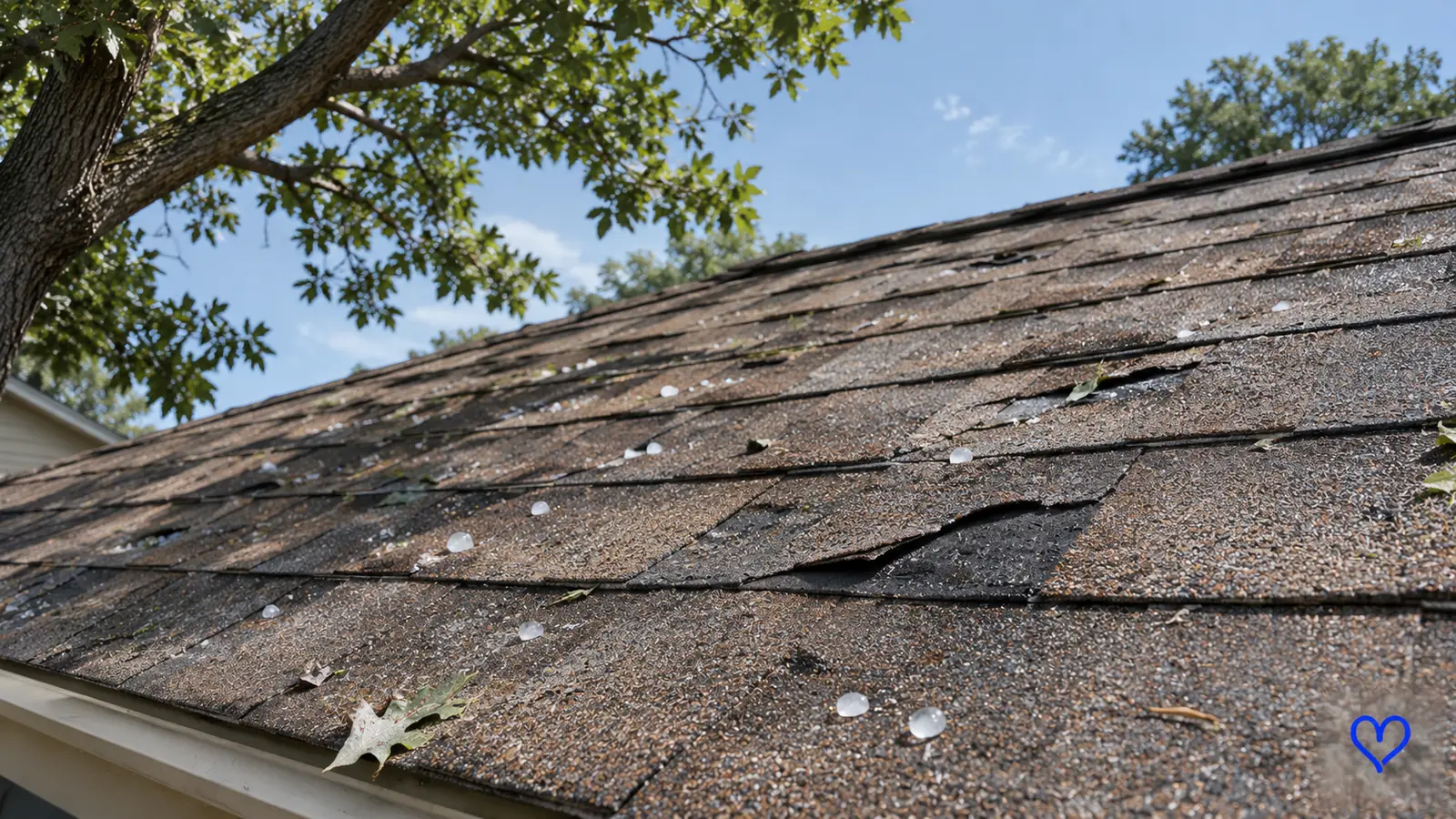
An insurer's rates can reflect the costs of paying claims across its portfolio, including weather-related damage and rising repair expenses. Texas experiences varied weather exposures such as hail, wind, freezes, severe thunderstorms, hurricanes in coastal regions, and wildfires in some areas. The fact that you personally did not have a loss does not mean company-wide claim costs stayed constant.
That is general context, not a claim that any particular storm caused your particular renewal increase. Ask the insurer what changed on your account and whether an overall rate adjustment was part of the renewal.
Underwriting information can change the renewal
Roof age and condition, home improvements, prior losses, occupancy, and other filed or lawful rating factors may influence prices or eligibility. TDI also identifies credit-based information among possible rating factors. The insurer's specific use of information must comply with applicable rules.
If the quote lists an old address, incorrect roof age, wrong construction type, or an error about the home's use, ask how to provide evidence and request a correction. Do not misstate occupancy or roof condition to seek a lower number. Underwriting is based on accurate risk information.
A higher limit is not the same as a company-wide rate increase
Suppose a hypothetical Texas policy had $280,000 in dwelling coverage last year and $310,000 at renewal. Its premium increases from a fictional $2,100 to $2,520. The premium difference could reflect both the larger amount insured and changes in rating—not necessarily one single cause.
These figures are invented solely to illustrate the questions to ask; they do not represent actual Safe House Insurance premiums, current Texas averages, or predicted renewal costs. To understand the real quote, compare the line-item declarations and ask the carrier for an explanation.
Look for changes in coverage, not only price
TDI urges consumers to review renewals for new endorsements and exclusions. A company may alter a roof's valuation basis at renewal, change a deductible, revise covered property terms, or ask for inspection or maintenance steps. An apparently smaller premium increase—or even a decrease—does not prove the protection stayed the same.
| Renewal item | What to check |
|---|---|
| Dwelling limit | Did the estimated rebuilding amount change? |
| Roof coverage | Still replacement cost, or now ACV/scheduled? |
| Wind/hail deductible | Is the percentage or dollar amount different? |
| Water coverage | Any new exclusions or optional endorsements? |
| Liability and contents | Same limits and restrictions? |
| Property facts | Correct roof age, occupancy, address, and construction? |
| Payment schedule | Same term, installments, and fees? |
Will a higher deductible reduce the price?
Sometimes changing deductible options can affect premium, but actual savings depend on company rules and eligibility. Before considering a higher wind/hail percentage, translate it to dollars. A 2% deductible on $350,000 of dwelling coverage is $7,000 under a simple percentage-of-limit calculation. An apparently attractive premium may come with a much larger out-of-pocket loss responsibility.
Do not compare only annual price savings. Decide whether you could reasonably pay the deductible after a covered incident, and review how depreciation or roof restrictions could add to that expense.
Are discounts always available?
Carriers may offer discounts or underwriting credits for certain features or combinations, but eligibility is insurer-specific. Ask whether any available discounts appear in the quote and what evidence the insurer needs. Never pay for a roof upgrade, security device, or inspection solely because someone casually suggested it would produce a specific discount.
Also consider whether a quote includes optional coverage you did not intend or leaves out protection you actually want. An honest comparison requires matching terms.
A sensible process before switching insurers
- Collect the current declarations page and the renewal packet.
- Compare dwelling, personal property, liability, ALE, deductibles, and endorsements.
- Verify important property facts and ask the insurer to explain differences.
- Request alternative quotes using the same truthful information.
- Check roof settlement, water exclusions, and any separate wind/flood needs.
- Confirm a replacement policy is actually issued and effective before ending old coverage.
A quote from another company may be higher, lower, or unavailable. No independent agency can guarantee an annual savings figure or acceptance. Some homeowners may reasonably prefer particular features even at a higher premium.
When the carrier's explanation seems wrong
Document the question and ask for a written clarification or correction. TDI offers consumer assistance and complaint information if an insurance issue cannot be resolved through ordinary channels. A complaint is a process for review, not a guarantee of rate reduction, issuance, or claim outcome.
Did your Texas homeowners renewal premium go up? Share your declarations page and renewal notice with Safe House Insurance to review coverage changes and compare available quotes, including roof terms, deductibles, and exclusions. No particular savings or acceptance is guaranteed.
Sources

Safe House Insurance is an independent insurance agency in El Paso, Texas, licensed in Texas and New Mexico.
Have Questions About Your Insurance Options?
Our team can help you explore available coverage options based on your needs.